Injuries
Bleeding, infected wounds, broken legs, blood types and transfusions, saline, painkillers and adrenaline — what each injury does and how to treat it.
Most deaths that are not instant come from bleeding: a single open wound on the body can drain you in a few minutes. This guide covers wounds and how to close them, broken legs, blood types and transfusions, and the drugs that keep you going. How health, blood and shock work in general is in Health and status.
Bleeding
Where wounds come from
- Bullets: almost every bullet that gets through your clothing opens a wound where it hits.
- Infected and melee weapons: a chance, and the harder the hit, the likelier. Clothing that absorbs part of the hit lowers it.
- Falls: from about 3 metres on you may cut your hands (without gloves) or feet (without shoes), from about 10 metres your legs.
- Walking barefoot, more often on rough ground.
- Your bare hands: sliding down a ladder without gloves (a 30 % chance every second), building some base parts without gloves (50 % per action), tearing sticks from bushes without gloves or a tool, punching hard objects.
- Breaking free from restraints, landmines, and the burns of a contaminated zone.
How fast you lose blood
| Wound on | Blood lost per second (full blood) | Left alone |
|---|---|---|
| Head, neck, torso, hips | 20 | kills you from full blood in under 4 minutes |
| Arms, legs | 12 | leaves you at about 2,700 blood after 5 minutes — passed out and close to death |
| Hands, feet | 2 | costs about 500 blood |
Several wounds add up. Bleeding runs at full speed down to 4,000 blood and then gets slower (down to about a third near 2,500), but that only buys time. Every wound closes by itself after 5 minutes — and 40 % of wounds that close on their own become infected.
Closing wounds
Each treatment closes your worst wound first, so with several wounds the dangerous body wounds go before the hand cuts.
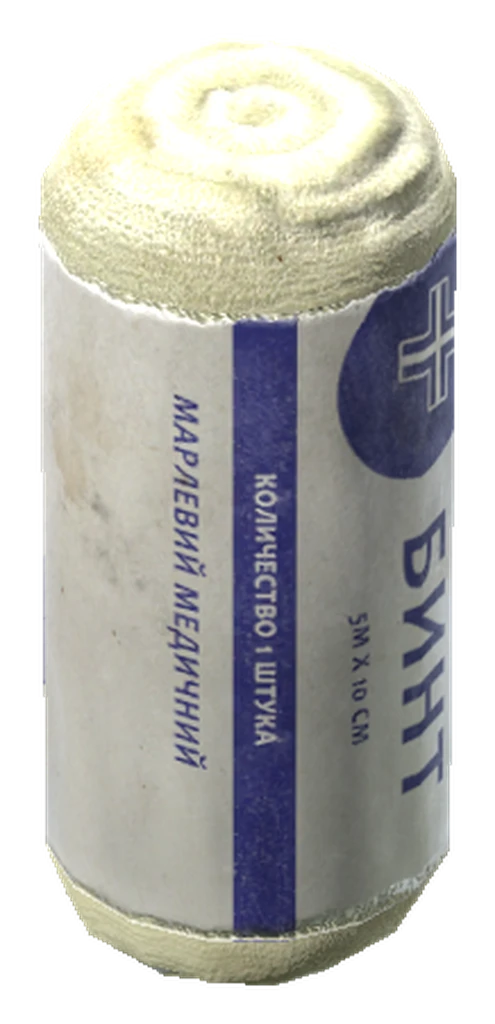 BandageBandageDressing
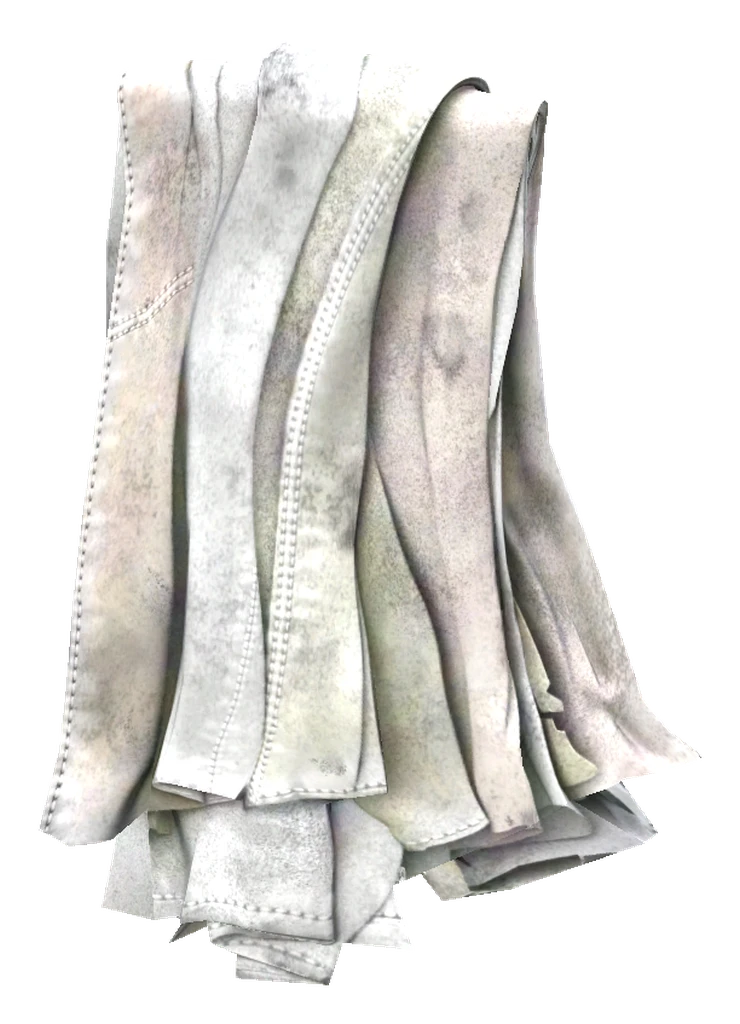 RagRag
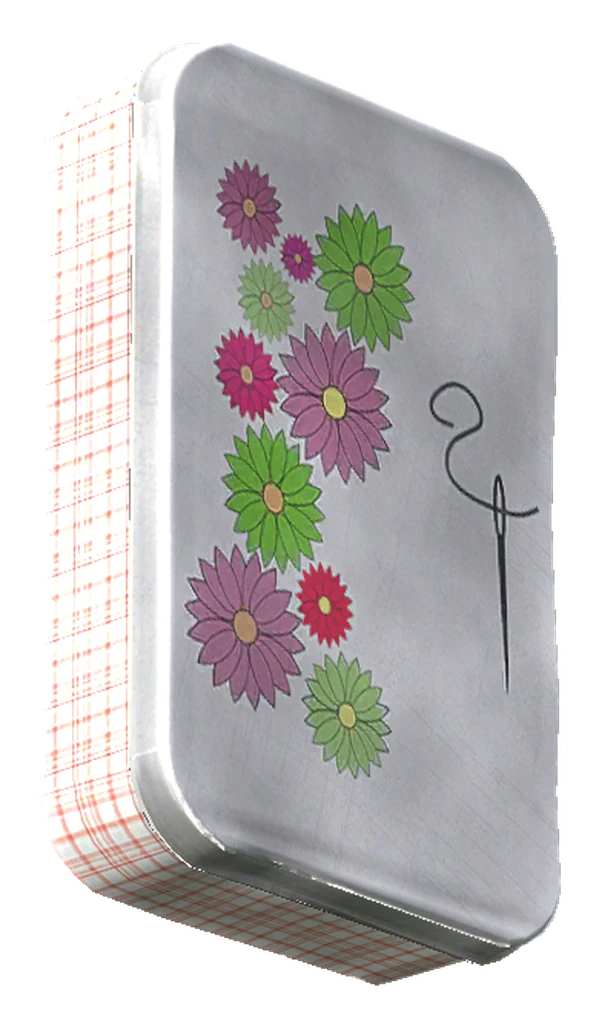 Sewing KitSewingKit
| Item | Time per wound | Wounds per item | Infection chance if not disinfected |
|---|---|---|---|
| Bandage | 2 seconds | 4 per pack | 5 % (found bandages are clean: 0 %) |
| Rag, bandana or shemagh | 8 seconds | one rag per wound | 15 % |
| Sewing kit | 8 seconds | 5 per kit | 30 % |
- A clean item never infects the wound. Bandages are clean when you find them; rags, bandanas, shemaghs and sewing kits are not.
- Disinfect an item by using a disinfectant on it. A spray lasts for about 6 disinfections, an alcoholic tincture for 10, iodine for 20.
- An item turns dirty again as soon as it takes damage.
- Washing rags in water only repairs them — it does not disinfect them.
- Disinfecting yourself while you are bleeding or have an infected wound fights the infection for about a minute and a half — useful right after a wound closed on its own or with a dirty item.
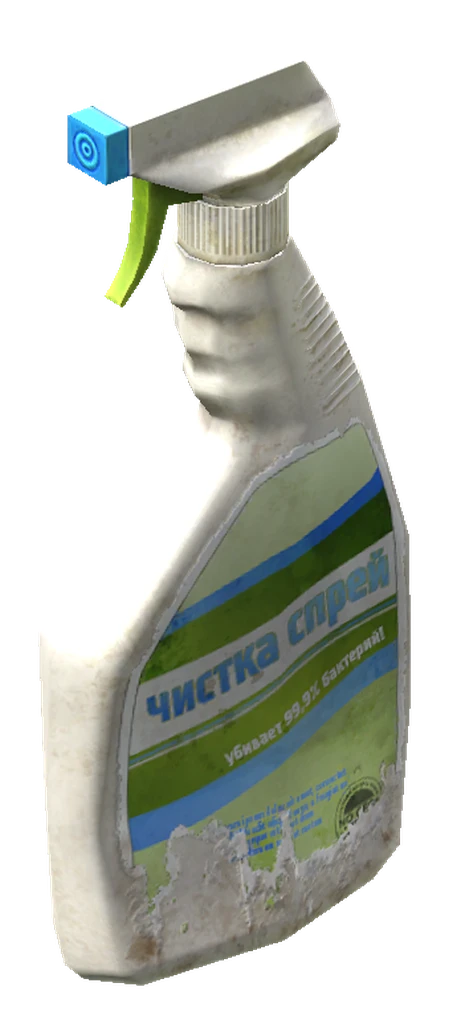 Disinfectant SprayDisinfectantSpray
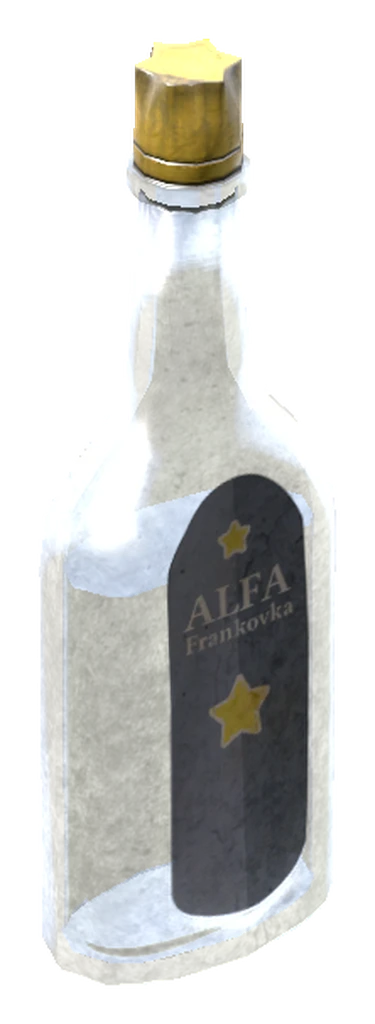 Alcoholic TinctureDisinfectantAlcohol
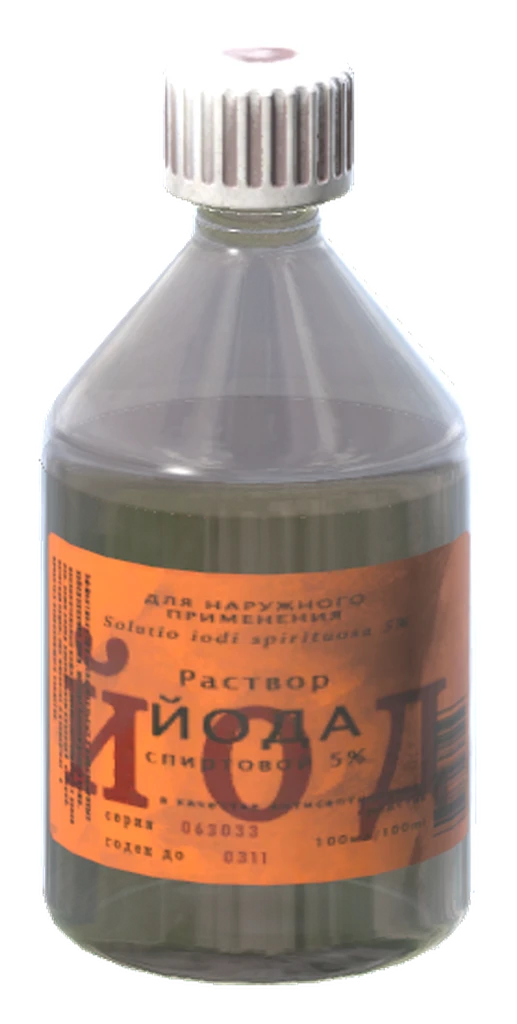 Iodine TinctureIodineTincture
What happens when a wound does get infected, and how to cure it, is in Diseases.
Broken legs
How legs break
Your legs break when their health runs out. A fall from about 8 metres breaks healthy legs; if they were already hurt, a lower fall is enough. Shots to the legs do extra damage to them and can break them too.
What a break does
- You are thrown to the ground, lose 20 shock and drop anything heavy you carry. You cannot sprint or pick up heavy items.
- Jogging upright costs 8 to 16 shock per second, moving while crouched half that — the worse the legs, the more. Right after a break your legs are at their worst, so a few seconds of jogging knock you out.
- A roll or a light melee hit costs 10 shock, a heavy melee hit 25.
- Walking slowly upright does not cost shock, but your shock does not recover while you stand. Crawling costs nothing and lets shock recover.
Splints
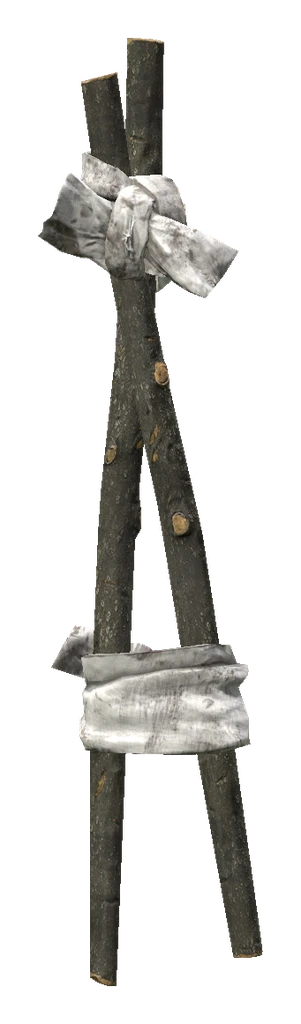 SplintSplint
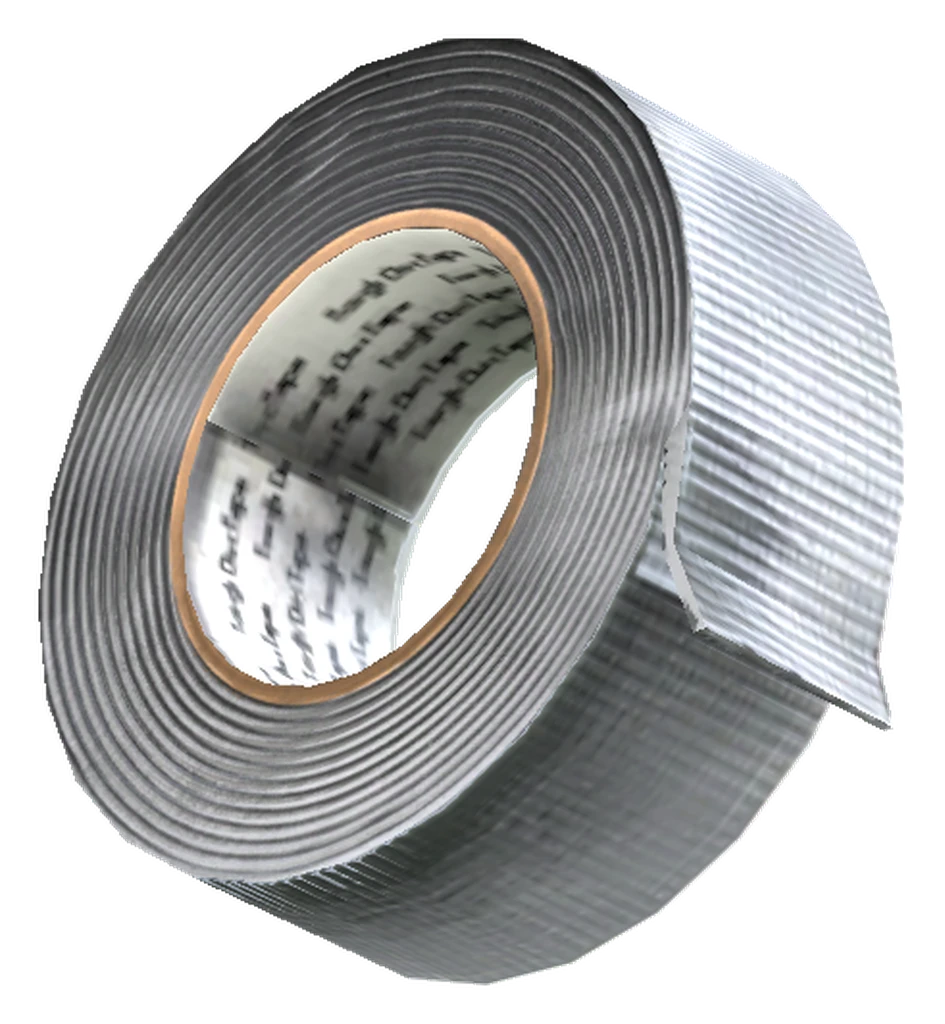
Craft a splint from two short sticks and a full pack of bandages, four rags, half a roll of duct tape or a shemagh. Applying it takes about 10 seconds and only works on broken legs. It restores a third of the missing leg health and lets you walk without the shock from moving — you still limp and still cannot sprint.
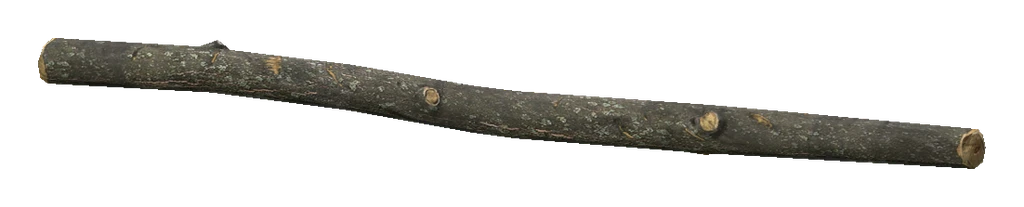 Short StickWoodenStick
 Duct TapeDuctTape
Healing
Broken legs heal on their own, independent of your blood: the break is gone once both legs are back to full strength, and the splint comes off by itself. Broken or splinted legs regenerate at under a fifth of their normal speed: about half an hour without a splint, about 20 minutes if you splint them right away (thanks to the health the splint gives back) — most of it crawling. A new break knocks the splint off again.
Painkillers, morphine and adrenaline
| Item | What it does | How long |
|---|---|---|
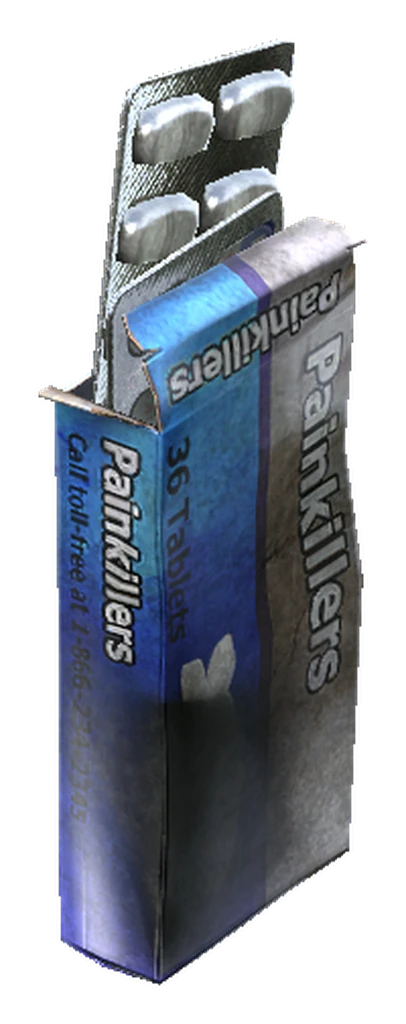
| Codeine pills | Less limping; halves the shock from moving on broken legs | 4 minutes, full effect after about 15 seconds |
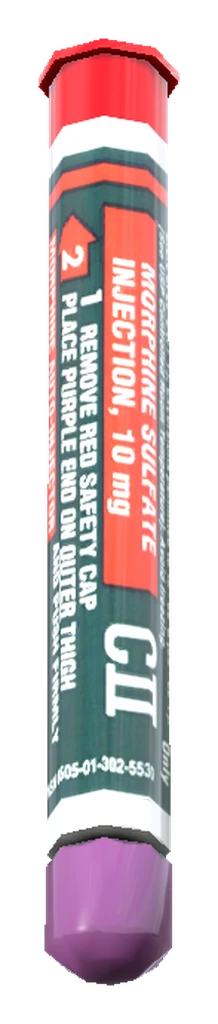
| Morphine | No limping at all; cuts the shock from moving on broken legs to a tenth | 1 minute |
| Epinephrine | Fills your shock up at once (wakes an unconscious player), full stamina that does not drain | 1 minute |
 Codeine PillsPainkillerTablets
 Morphine Auto-InjectorMorphine
 Epinephrine Auto-InjectorEpinephrine
Codeine and morphine only reduce the leg shock if your legs are already broken when you take them. They hide the limp but heal nothing. While you are on them the pills icon shows.
Blood types and transfusions
Blood types
Every character has one of eight blood types, picked at random when the character is created. You don't know yours until you test it.
| Your type | Can receive | Share of characters |
|---|---|---|
| 0+ | 0+, 0− | about 43 % |
| 0− | 0− only | about 10 % |
| A+ | A+, A−, 0+, 0− | about 26 % |
| A− | A−, 0− | about 5 % |
| B+ | B+, B−, 0+, 0− | about 9 % |
| B− | B−, 0− | about 3 % |
| AB+ | every type | about 2 % |
| AB− | AB−, A−, B−, 0− | about 2 % |
0− can be given to anyone, AB+ can take anyone's blood.
Testing
 Blood Test KitBloodTestKit
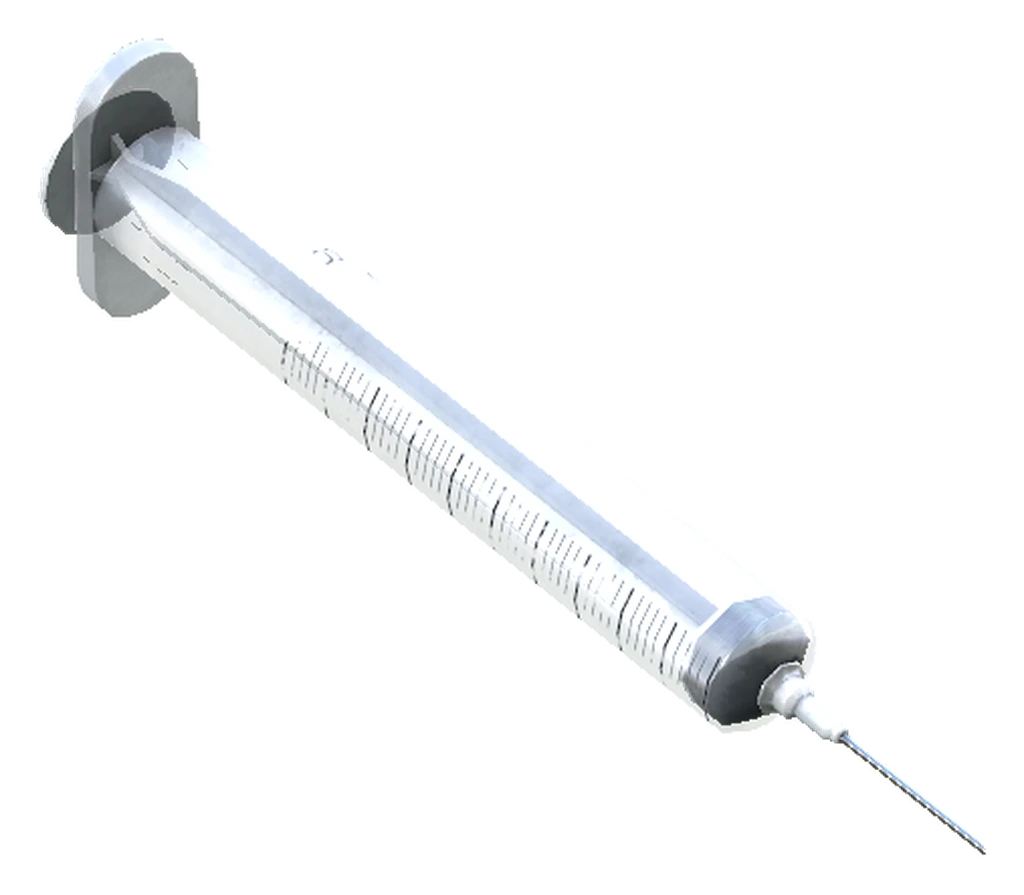 SyringeSyringe
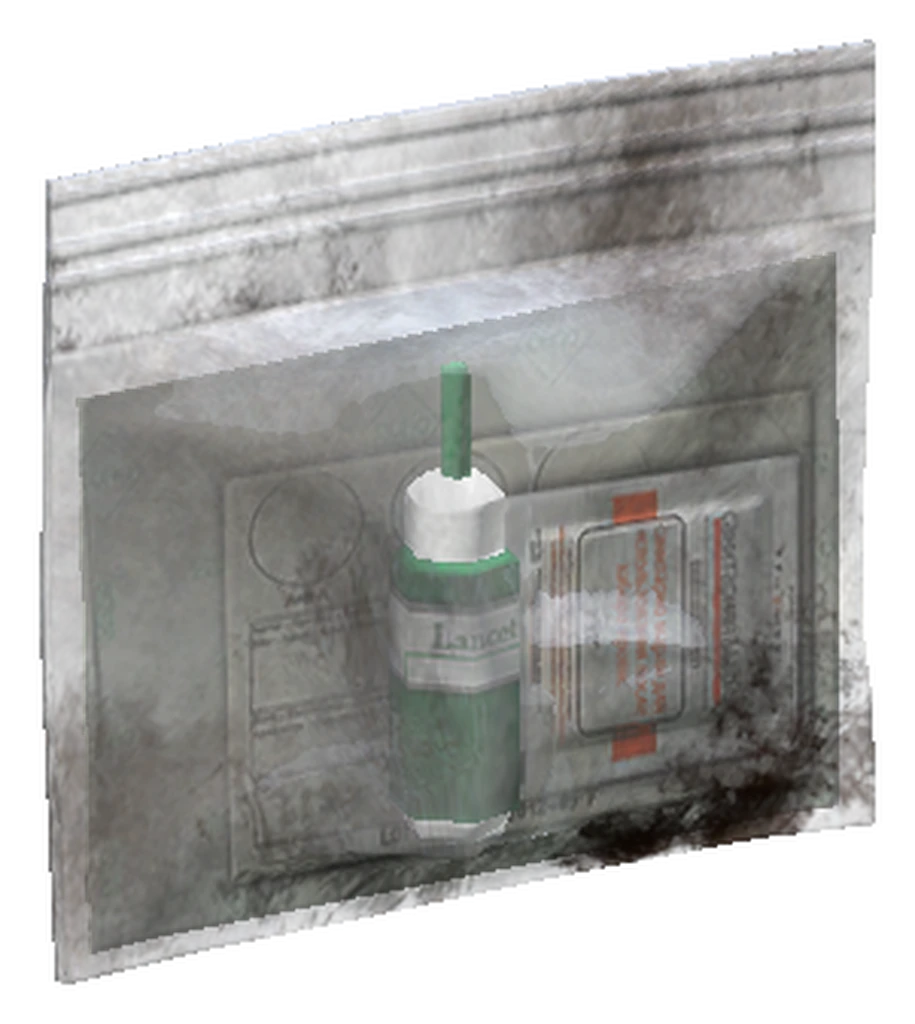
- Use a blood test kit on yourself to learn your type. The kit is used up.
- To check a blood bag or someone else's blood, combine a test kit with the blood bag, or with a syringe holding a blood sample drawn with an empty syringe.
- Blood you draw from yourself after testing is labelled with your type.
Giving blood
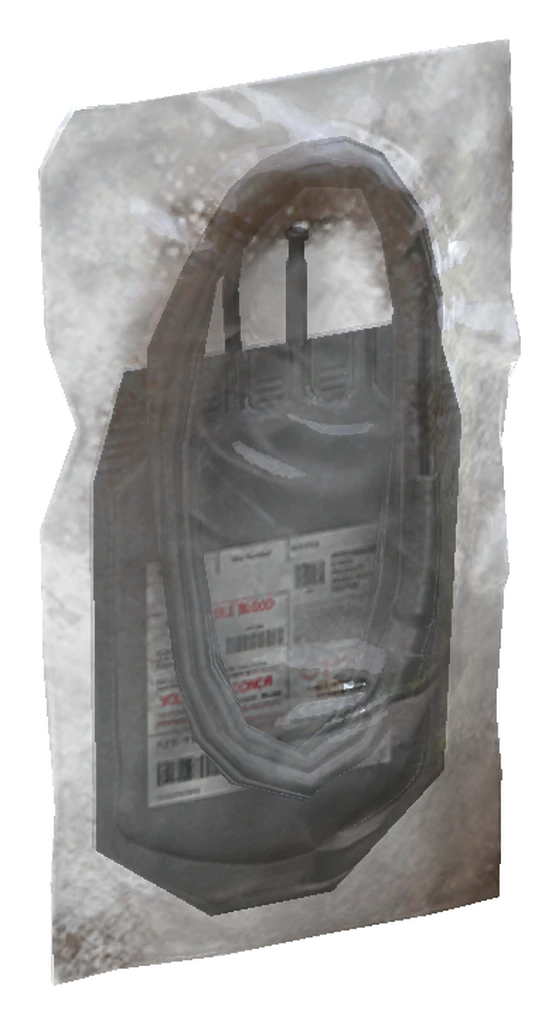 Blood Collection KitBloodBagEmpty
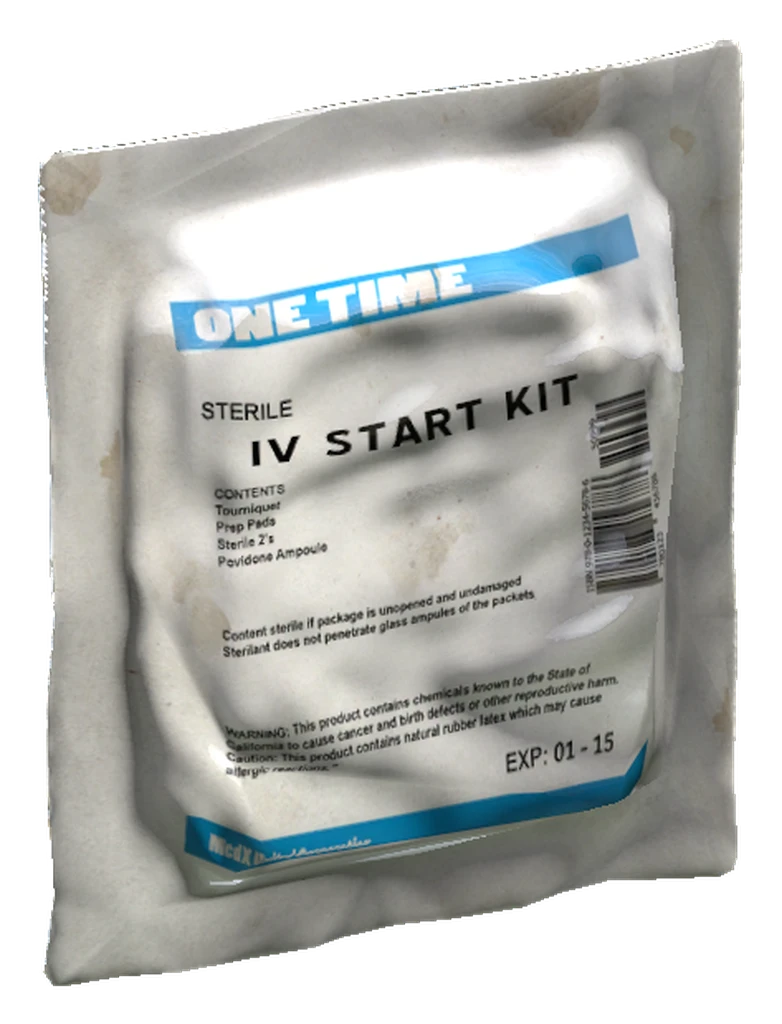 IV Start KitStartKitIV
- Draw blood with a blood collection kit — from yourself or someone else. It takes about 10 seconds and the donor loses up to 500 blood.
- Combine the full blood bag with an IV start kit to get an IV blood bag.
- Give it: blood flows in at 50 per second, so 500 take about 10 seconds.
Matching blood goes straight into your blood. Wrong blood adds nothing: if more than about 75 ml went in, you drop unconscious when the transfusion ends; above about 175 ml you also get a hemolytic reaction that drains about 1,200 blood over 3 minutes and shows the sick icon. Diseases in the donor's blood come along with it.
Saline
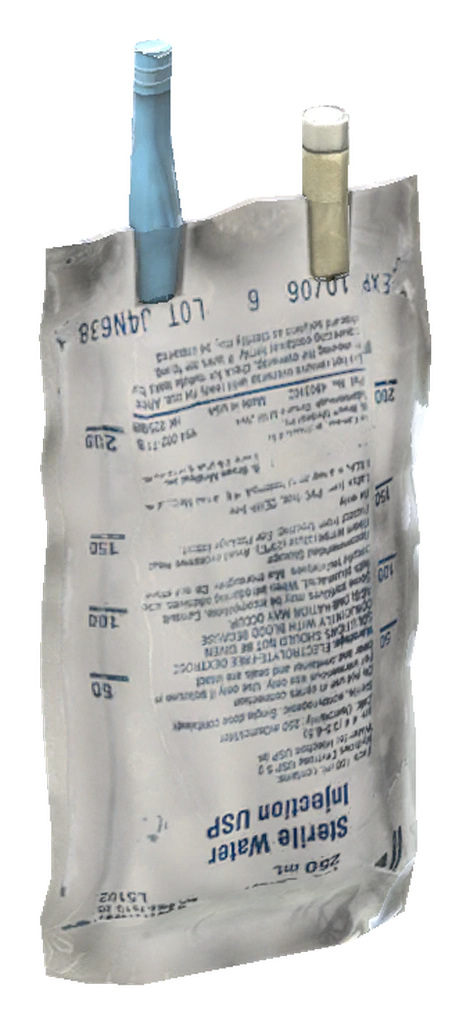 Saline BagSalineBagIV Start KitStartKitIV
Combine a saline bag with an IV start kit to get an IV saline bag. Saline works for every blood type: over about 3 minutes it adds about 500 blood and some water, on top of your normal regeneration. It is the safest way to get out of the low-blood fainting loop (see Health and status).
Damage basics
Gunshots
A bullet hits health, blood and shock at the same time. Where it lands decides what matters most:
- Head: triple the shock of a body hit — head hits knock you out far more easily.
- Torso: full damage.
- Arms and legs: a third of the shock; legs take extra damage to their own health, which is how shots break legs.
- Hands and feet: a tenth of the shock.
Helmets, vests and plate carriers absorb part of a hit before it reaches you.
Melee and infected
Fists, melee weapons and infected mostly deal shock and health, and open wounds with a chance that rises with the damage. A hit to the head does only half health damage in melee, but plenty of shock.
Falls
| Height | What happens |
|---|---|
| Under 2 m | Nothing |
| 3 m and more | Cuts on bare hands or feet become possible |
| About 7 m | Around a quarter of your health, and enough shock to knock you out |
| About 8 m | Healthy legs break |
| About 9 m | About half your health |
| About 12 m | Deadly |