Food and water
How hunger, thirst and your stomach work, which food is worth eating, how food spoils, and which water is safe to drink.
Food and water keep more than your stomach happy: your blood only comes back while both are well filled, and they make up half of your immune system. This guide covers how eating and drinking work, what each food is worth, how food goes bad and where to get safe water.
Energy and water
Your energy and water bars both go from 0 to 5,000. They drain all the time — faster the more you move, and faster the fuller they are. Being cold burns extra energy, being hot costs extra water. In the red (300 or less) you lose 0.05 health per second for each empty bar. The full picture, including what the icon colours mean for healing, is in Health and status.
What matters for eating:
- Keep both bars white (energy above 800, water above 1,000). Only then does your blood regenerate at full speed.
- A full bar burns faster than a half-full one, so there is no point stuffing yourself beyond full.
Your stomach
Eating does not fill your bars instantly. Everything you eat or drink goes into your stomach and is digested over a few minutes: food at a steady pace, liquids about twice as fast, and everything in your stomach shares that pace. A can of beans takes roughly 4 minutes, a litre of water roughly 5 when nothing else is in there. While your stomach digests food, the starvation damage stops; while it digests liquid, the thirst damage stops.
Everything also takes up room in your stomach, and some food far more than its size suggests:
- At about 1,000 the stuffed-stomach icon appears.
- At about 2,000 you throw up — half of everything in your stomach is gone, with all the energy and water it would have given you.
For scale: a litre of water takes about 1,000, a can of beans about 800, most cooked steaks 250 to 500. Dog or cat food takes 2,500 for one can and an unknown food can 4,000 — eat those in parts. Honey, jam and rice are also bulky, and rotten or burnt food takes five to ten times the room of fresh food. Zagorky bars take no room at all.
Food or drinks hotter than about 70 °C cost you 2 health with every bite or sip — let things straight from the fire cool down a little.
Comparison of useful foods
Values for a full item, cooked meat as noted. Energy and water are what your bars gain; stomach space is the room it takes (see above).
| Food | Energy | Water | Stomach space |
|---|---|---|---|
| Canned Bacon | 1,200 | 100 | 800 |
| Canned Baked Beans | 800 | 100 | 800 |
| Canned Spaghetti | 700 | 150 | 800 |
| Canned Peaches | 600 | 200 | 800 |
| Canned Pork | 560 | 50 | 500 |
| Canned Crab | 500 | 125 | 500 |
| Canned Tuna | 375 | 50 | 500 |
| Canned Sardines | 250 | 25 | 200 |
| Dog Food Can | 375 | 100 | 2,500 |
| Cereals | 1,000 | 0 | 500 |
| Powdered Milk | 800 | 0 | 400 |
| Rice | 500 | 0 | 1,500 |
| Honey | 1,000 | 0 | 2,000 |
| Zagorky Chocolate | 200 | 0 | 0 |
| Nota Cola (any soda) | 165 | 300 | 330 |
| Beef Steak, baked | 1,500 | 120 | 500 |
| Beef Steak, boiled | 1,250 | 300 | 500 |
| Bear Steak, baked | 2,000 | 120 | 1,000 |
| Venison Steak, baked | 875 | 60 | 500 |
| Venison Steak, boiled | 750 | 160 | 250 |
| Pork Steak, baked | 750 | 60 | 250 |
| Chicken Steak, baked | 250 | 30 | 125 |
| Steelhead Trout Fillet, baked | 1,100 | 120 | 500 |
| Steelhead Trout Fillet, boiled | 900 | 320 | 500 |
| Penny Bun and most mushrooms, baked | 450 | 90 | 260 |
| Yellowfoot Mushroom, boiled | 375 | 470 | 225 |
| Banana | 200 | 20 | 100 |
| Apple | 125 | 50 | 125 |
| Orange | 80 | 75 | 110 |
| Peeled Potato, baked | 500 | 15 | 200 |
| Plastic Bottle of water | 0 | 1,000 | 1,000 |
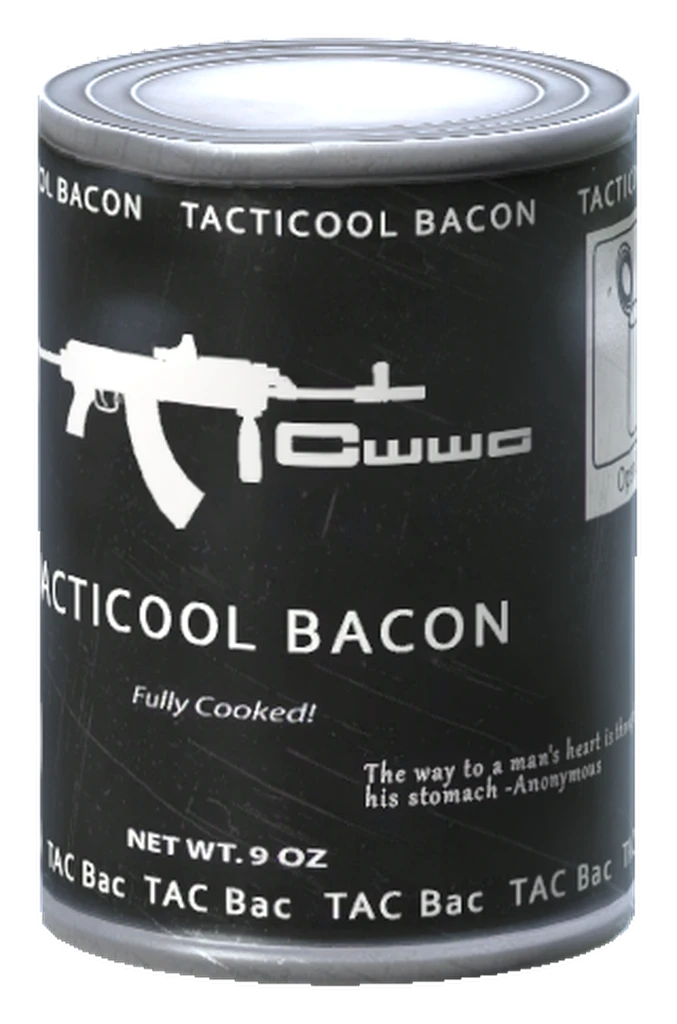 Canned BaconTacticalBaconCan
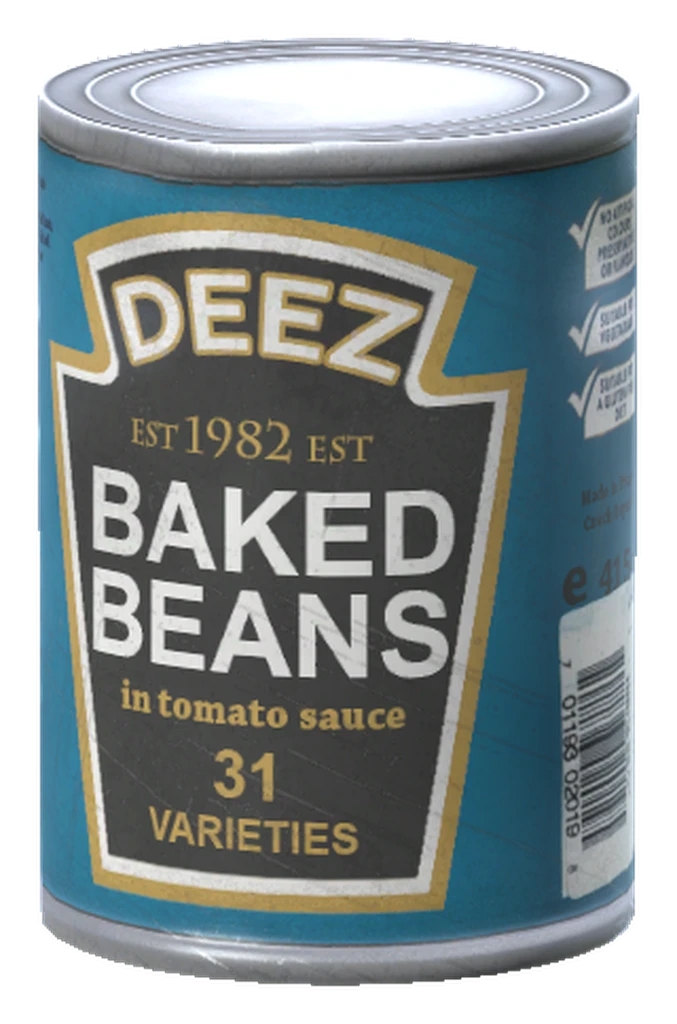 Canned Baked BeansBakedBeansCan
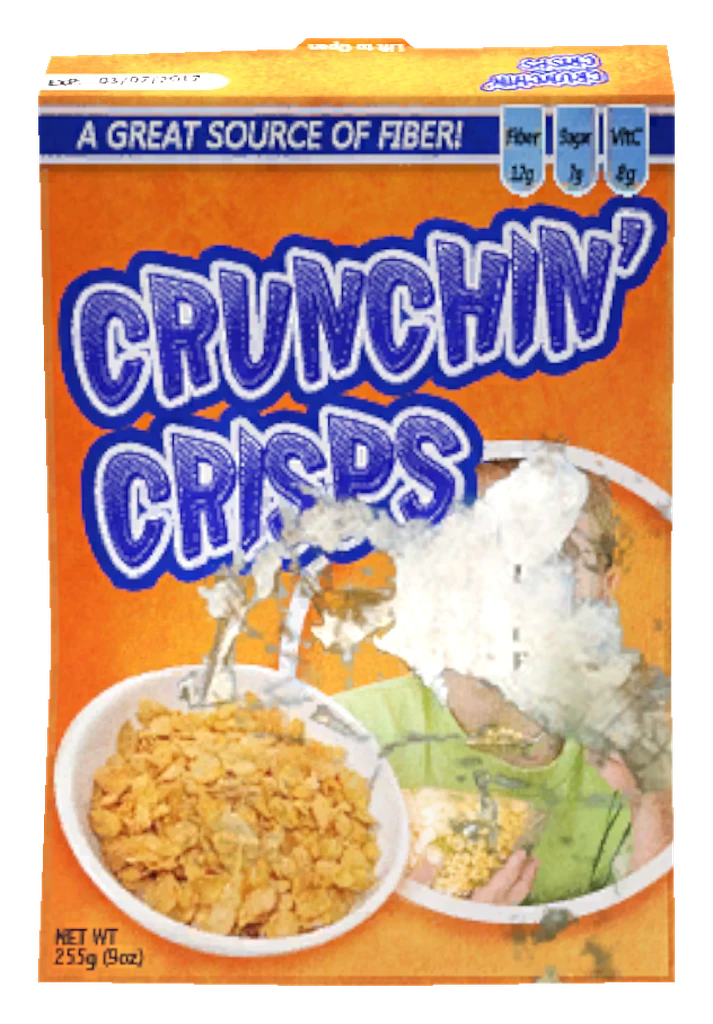 CerealsBoxCerealCrunchin
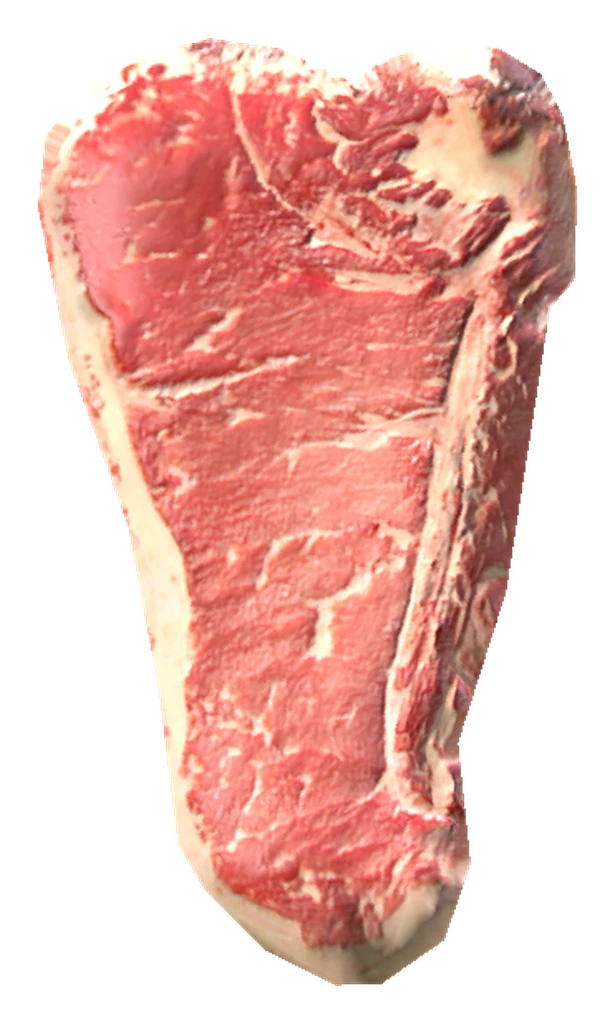 Beef SteakCowSteakMeat
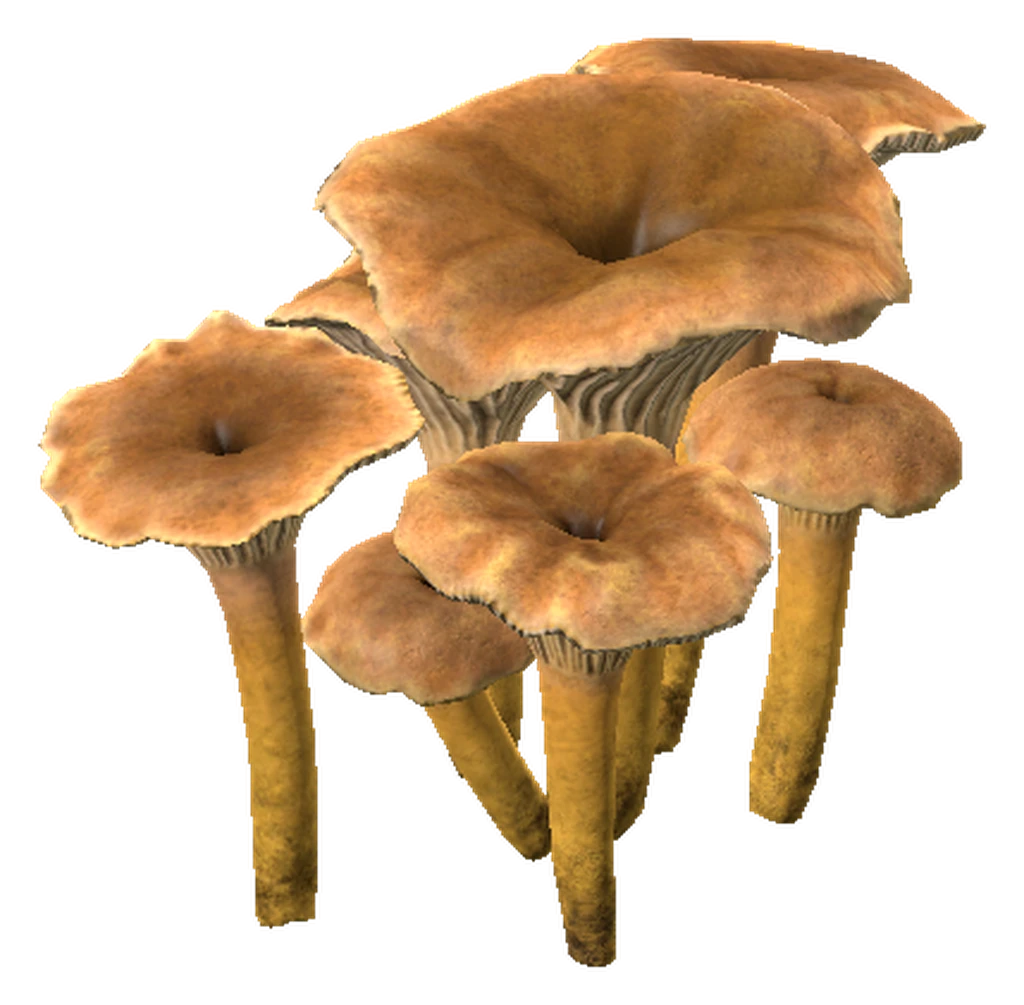 Yellowfoot MushroomCraterellusMushroom
Look up any other food in the item list.
Foods that hydrate
Water is always the best drink, but some food brings plenty along: boiled food has much more water than baked, and boiled mushrooms are the champions (the yellowfoot mushroom almost half a litre). Soda, peaches, spaghetti and fresh fruit like oranges and apples help too. Dry food — cereals, powdered milk, rice, honey, crackers, chips — has no water at all.
Food stages
Fresh food changes stage when you cook it or when it goes bad. The stage decides what it gives you and whether it makes you sick.
| Stage | What it means |
|---|---|
| Raw | Meat has little energy and carries salmonella. Fish fillets and shrimp cause food poisoning. Fruit, vegetables and mushrooms are fine raw. |
| Baked | Roasted on a stick, in a frying pan or in a pot without water. The most energy, little water. |
| Boiled | Cooked in a pot with water. A little less energy than baked but far more water, and often less stomach space. |
| Dried | Smoked over a fire; raw fruit and mushrooms sometimes dry out by themselves instead of rotting. About as much energy as boiled, almost no water, keeps the longest. |
| Burned | Overcooked. Little energy, food poisoning, bulky. |
| Rotten | Food poisoning, for meat salmonella as well. Fills your stomach many times over. |
Cooking kills salmonella in meat — except bear and wolf meat, which often keep it even when cooked (see Diseases). How to cook is in Fire and cooking.
How long food keeps
Food spoils faster in your inventory than lying on the ground, and faster when it is damaged. Vanilla times while you carry it:
| Food | In your inventory | On the ground |
|---|---|---|
| Raw meat | 1½ to 2 hours | about 6 hours |
| Raw fruit, vegetables, mushrooms | 3 to 4 hours | about 12 hours |
| Boiled fruit and vegetables | about 14 hours | about 2 days |
| Boiled meat | about 20 hours | about 3 days |
| Baked meat | about a day | about 4 days |
| Dried meat | about 2 days | about 8 days |
| Opened can | 14 hours or more, then it gives food poisoning | 2 to 4 days |
Dried fruit and mushrooms don't rot at all, unopened cans and packaged food keep forever, and frozen food stops spoiling until it thaws. Servers can change how fast food spoils — check the server overview.
Bloody hands
Gutting an animal or eating raw meat leaves your hands bloody. Eat or drink anything with bloody hands — even from a pond, well or snow — and you swallow either food poisoning or, after gutting most animals, salmonella with a 40 % chance. Gloves protect you; otherwise wash your hands with water or disinfectant before your next meal.
Water: safe and unsafe
| Source | Safe? |
|---|---|
| Wells and water pumps | Safe, clean water |
| An open barrel standing outside (not under a roof) | Safe, it fills with clean rainwater |
| Lakes, ponds, rivers | Cholera with every sip; on Sakhal heavy metals as well |
| Snow on Sakhal | Heavy metals |
| Hot springs on Sakhal | You can't drink from them directly; bottled hot-spring water gives food poisoning and heavy metals |
| The sea | Can't be drunk or bottled |
| Bottles and canteens you find | About half of them carry cholera in vanilla (about one in five on Sakhal) — treat the first filling |
Making water safe
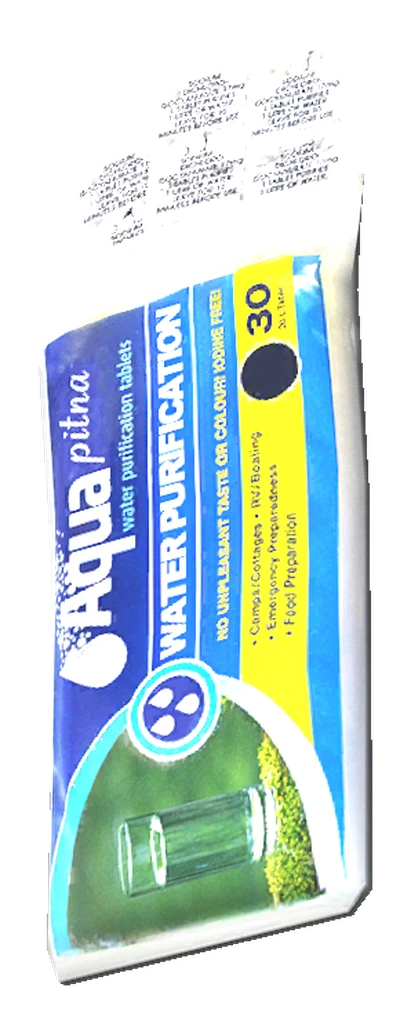 Chlorine TabletsPurificationTablets
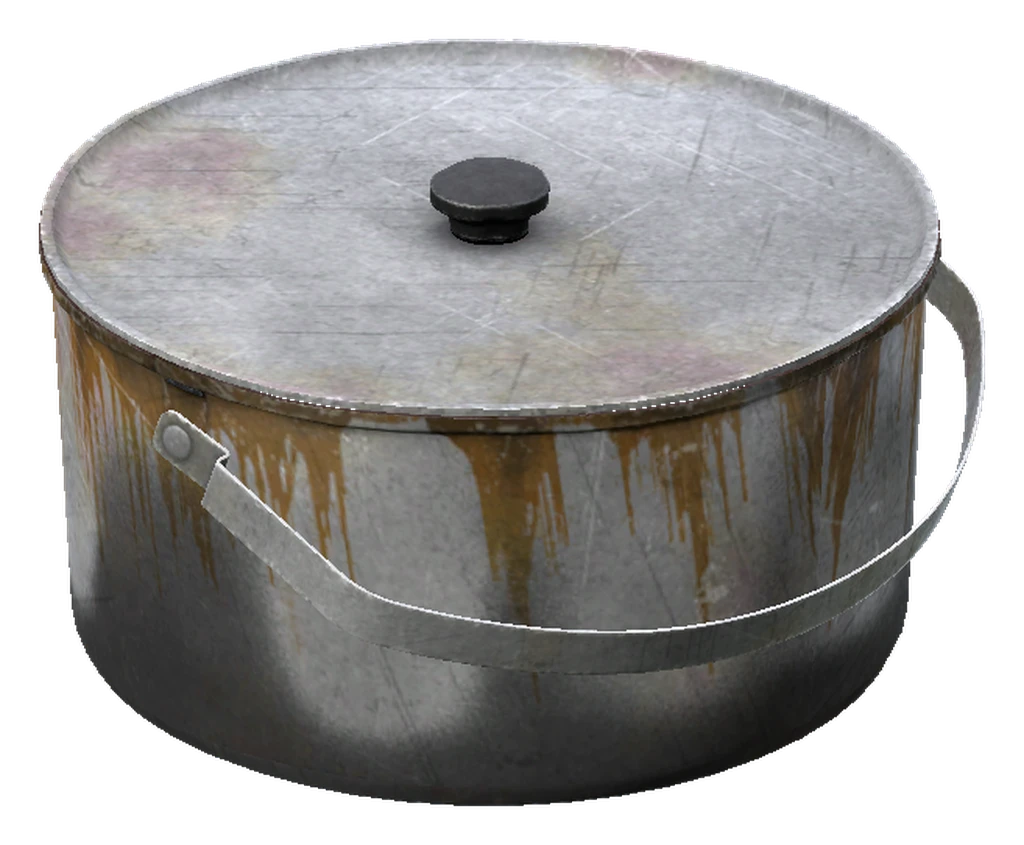 Cooking PotPot
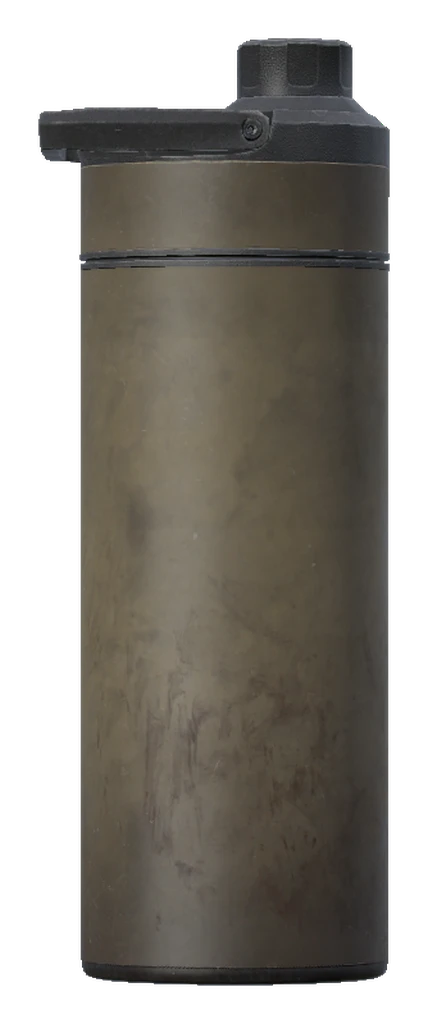 Filtering BottleFilteringBottle
- Chlorine tablets: one tablet cleans a whole container, however full.
- Boiling: bring water in a pot to the boil over a fire. Like chlorine, it removes everything except heavy metals.
- Filtering bottle: filters cholera and heavy metals out while you drink from it. It wears out with every sip, roughly ten litres from new, and is damaged by scalding water.
- Heavy metals stay in boiled or chlorinated water. On Sakhal, drink from wells and pumps, use a filtering bottle, or treat heavy metal poisoning with chelating tablets.
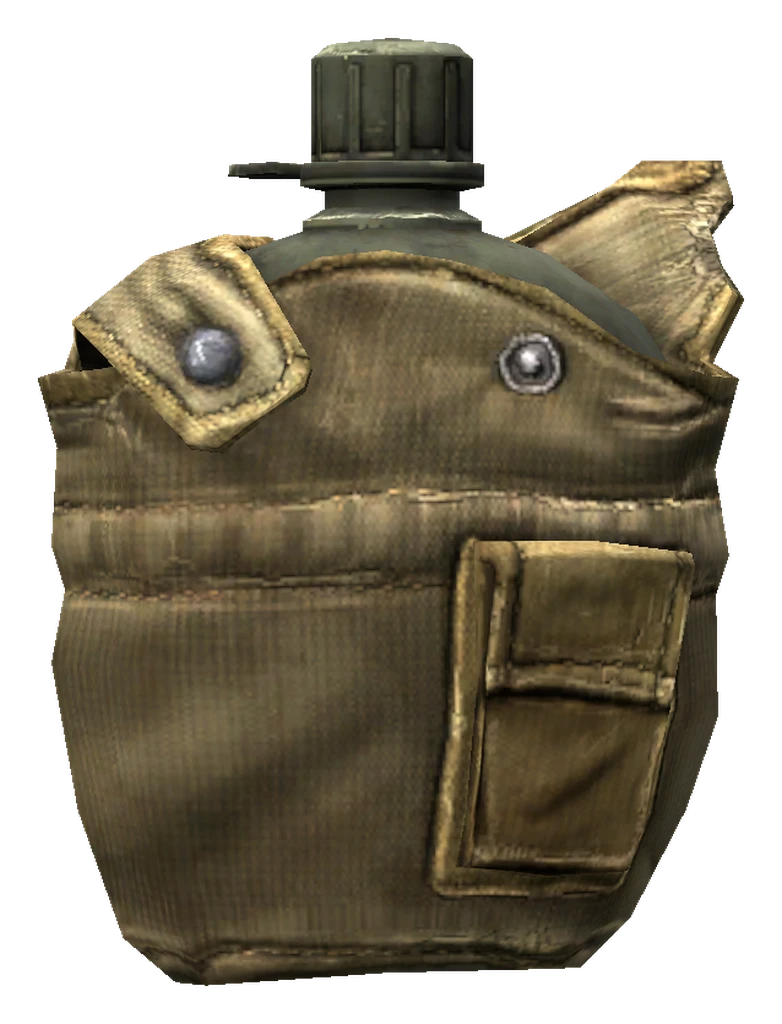 CanteenCanteen
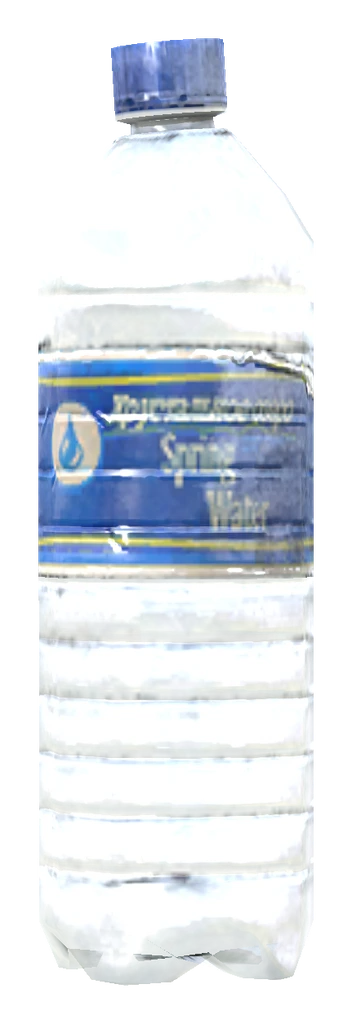 Plastic BottleWaterBottle
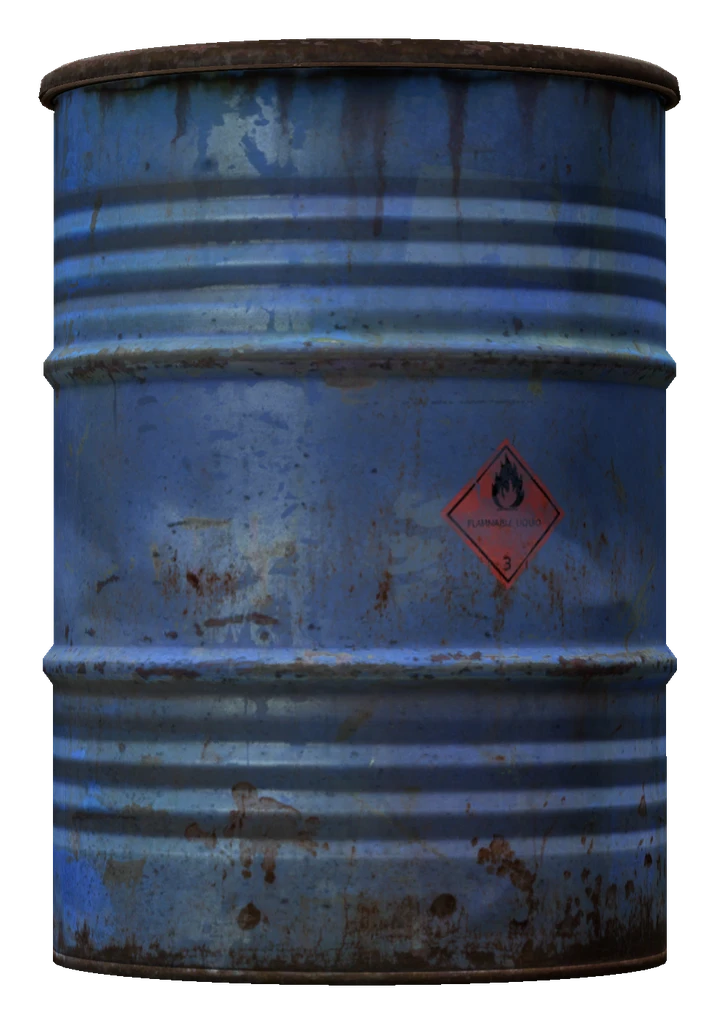 BarrelBarrel_Blue
What cholera, food poisoning, salmonella and heavy metal poisoning do to you and how to cure them is in Diseases.
Vitamins
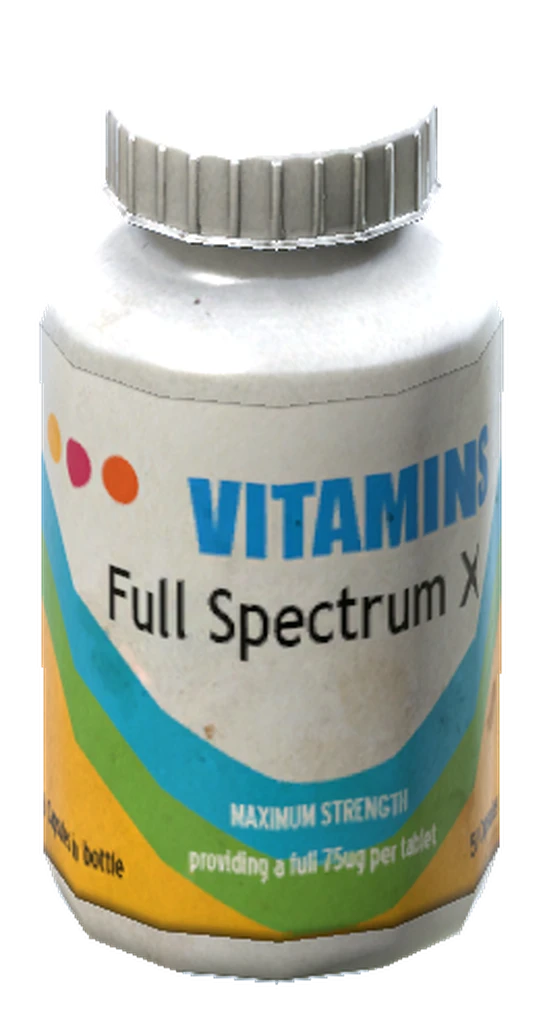 Multivitamin PillsVitaminBottle
Multivitamin pills don't feed you, but each pill puts your immune system at its strongest for 5 minutes. Take one when you had to drink dirty water or eat something risky, or while fighting off an infection.