Fire and cooking
How to build and light a fire that stays lit, where fires work, and how to cook meat and boil water without getting sick.
A fire warms you, dries your clothes, cooks your food and makes water safe to drink. Lighting one takes a little preparation, and the weather decides where it will keep burning.
Building a fireplace
A fireplace needs kindling to catch and fuel to keep going.
- Kindling: rags, bandages, paper, gift wrap paper, light and dark bark.
- Fuel: short sticks and firewood.
To make one, combine two different items from those lists — a rag with a stick, bark with firewood, a bandage with paper. Two of the same kind (two rags, or two pieces of paper) won't work. You can also light a single rag, piece of paper or bark on the ground; it turns into a fireplace by itself. Then add more fuel.
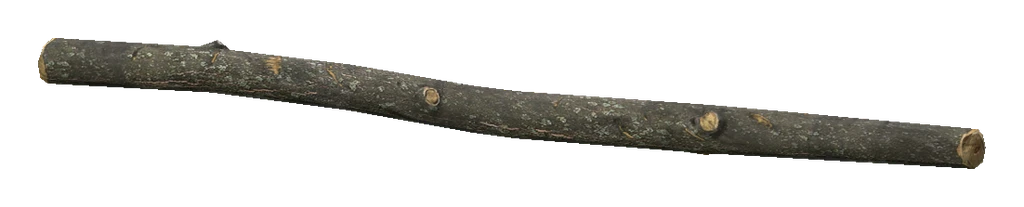 Short StickWoodenStick
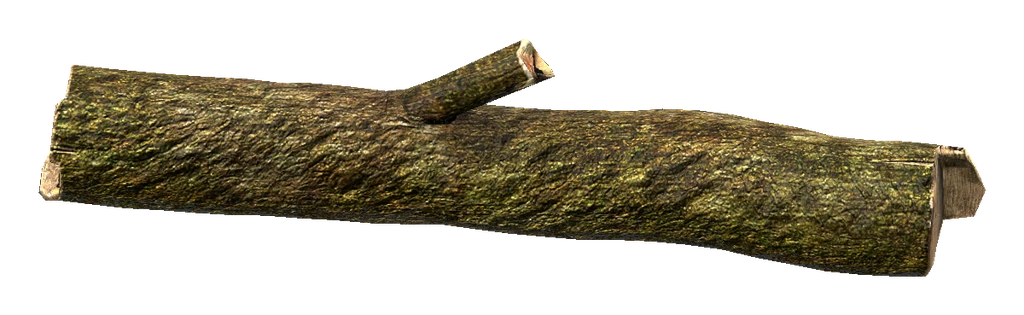 FirewoodFirewood
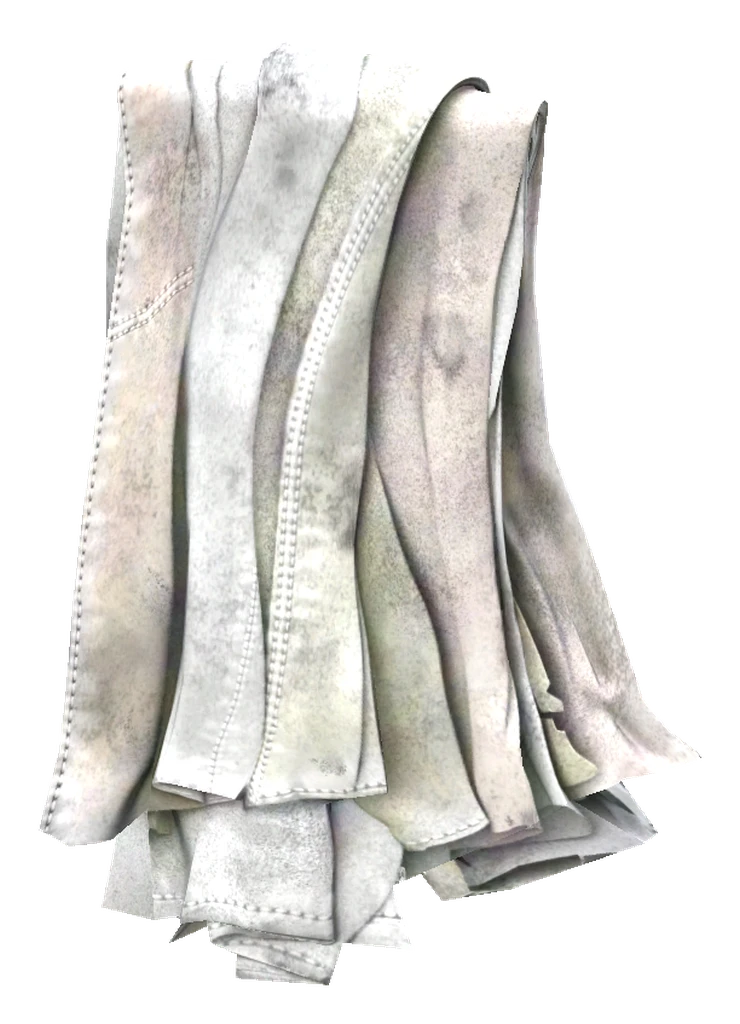 RagRag
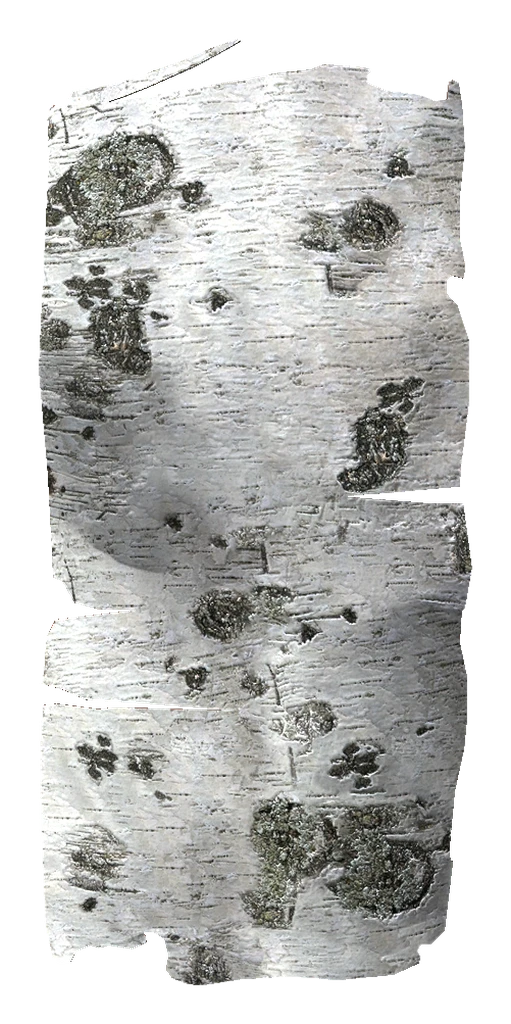 Light BarkBark_Birch
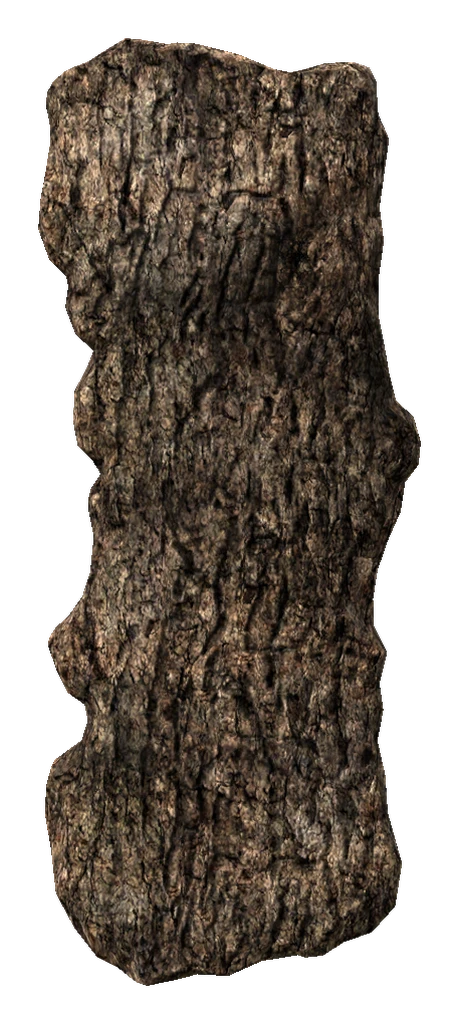 Dark BarkBark_Oak
 PaperPaper
Where to get it:
- Short sticks: cut bushes (even by hand) for long sticks, then break a long stick into three short ones.
- Firewood: chop a tree with a hatchet or an axe.
- Bark: peel it off a tree with a knife or another blade.
| Item | Role | Burns for about |
|---|---|---|
| Paper, gift wrap | kindling | 10 seconds |
| Rag, bandage, light bark | kindling | 15 seconds |
| Dark bark | kindling | 20 seconds |
| Short stick | fuel | 1 minute |
| Firewood | fuel | a little over 3 minutes |
A fireplace holds up to 6 firewood, 10 sticks, 6 rags, 4 bandages, 8 bark and one piece of paper — fully loaded, that is about 35 minutes of fire. It always burns the weakest item first: kindling, then sticks, then firewood. You can top it up while it burns, but you can't take fuel back out.
Lighting it
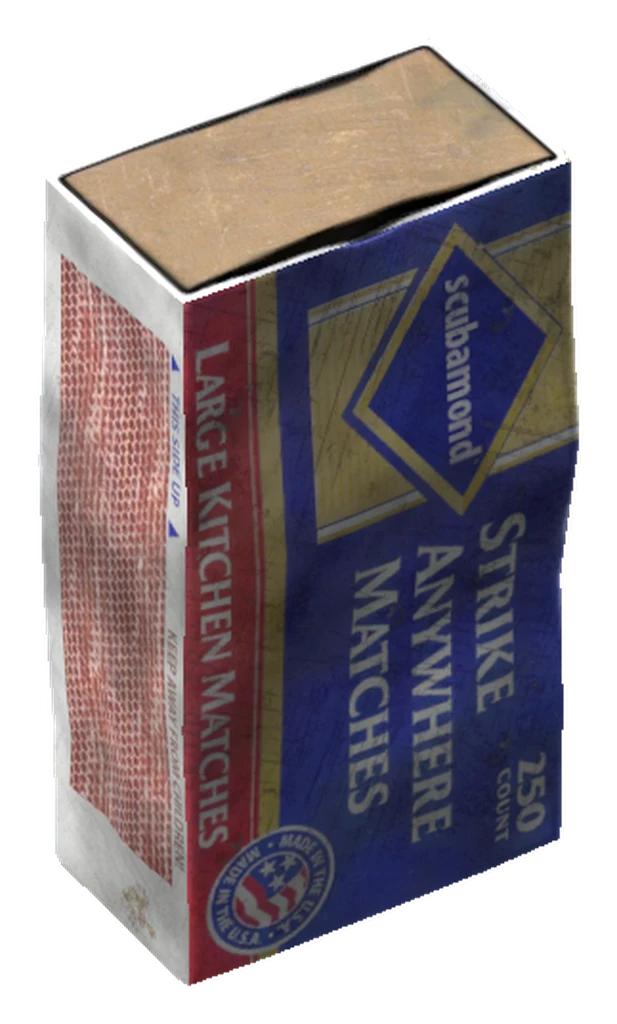 MatchesMatchbox
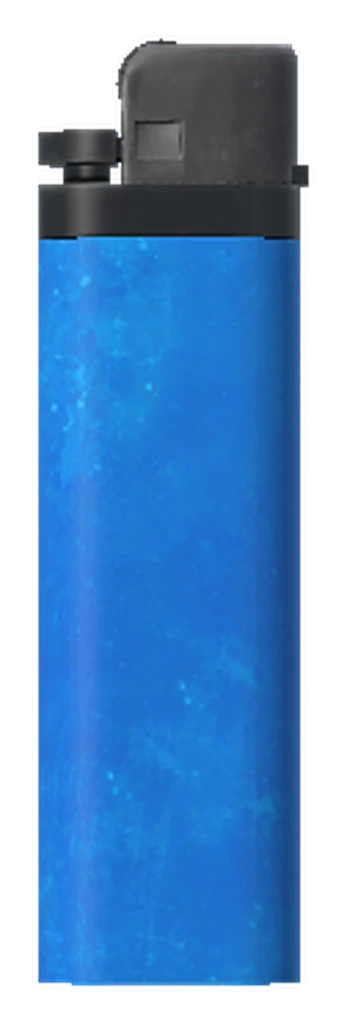 LighterPetrolLighter
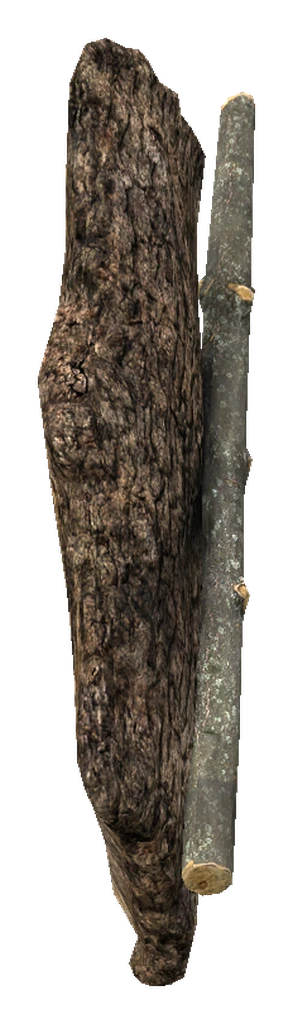 Hand Drill KitHandDrillKit
- Matches use one match per try, whether the fire catches or not. They won't strike once they are even slightly damp, so keep them dry.
- A lighter uses a little fuel per try — a full one gives about 40 tries — and works wet.
- A hand drill kit is crafted from bark and a short stick. It breaks on the first try, so craft a new one each time.
- Anything already burning can light a fire too: a lit torch, a road flare, a blowtorch, or another fire.
There is no flint or fire steel in vanilla DayZ.
A try only succeeds when:
- there is kindling in the fireplace,
- the fireplace is dry enough — a soaked one has to dry first,
- it isn't standing in water,
- outdoors without a roof: it isn't raining and the wind isn't close to its strongest.
A failed try still costs the match, the lighter fuel or the drill. If a fire has just gone out and is still warm, you can often get it going again by blowing on the embers — as long as fuel is left.
Where fires work
| Fire | Rain and wind | Notes |
|---|---|---|
| Open fireplace | Rain soaks it — full rain puts it out in about a minute. Wind only matters when lighting it. | Left alone, it disappears after about 8 hours. |
| Stone circle (8 stones) | Same as open | Burns slightly slower; stays for about 2 days. |
| Stone oven (16 stones) | Lights and burns in rain and wind | Burns slowest, no smoke, stays for about 7 days. Can only be taken apart once it has cooled down. |
| Indoor fireplace or oven | Always sheltered | Only at the fireplace and oven spots some houses have. Gets hotter than an outdoor fire; its light is only visible close by. |
| Fire barrel | Lighting ignores wind and wetness | Put a fireplace into the open barrel. With the lid closed it keeps burning, shows no smoke and becomes a hot plate. |
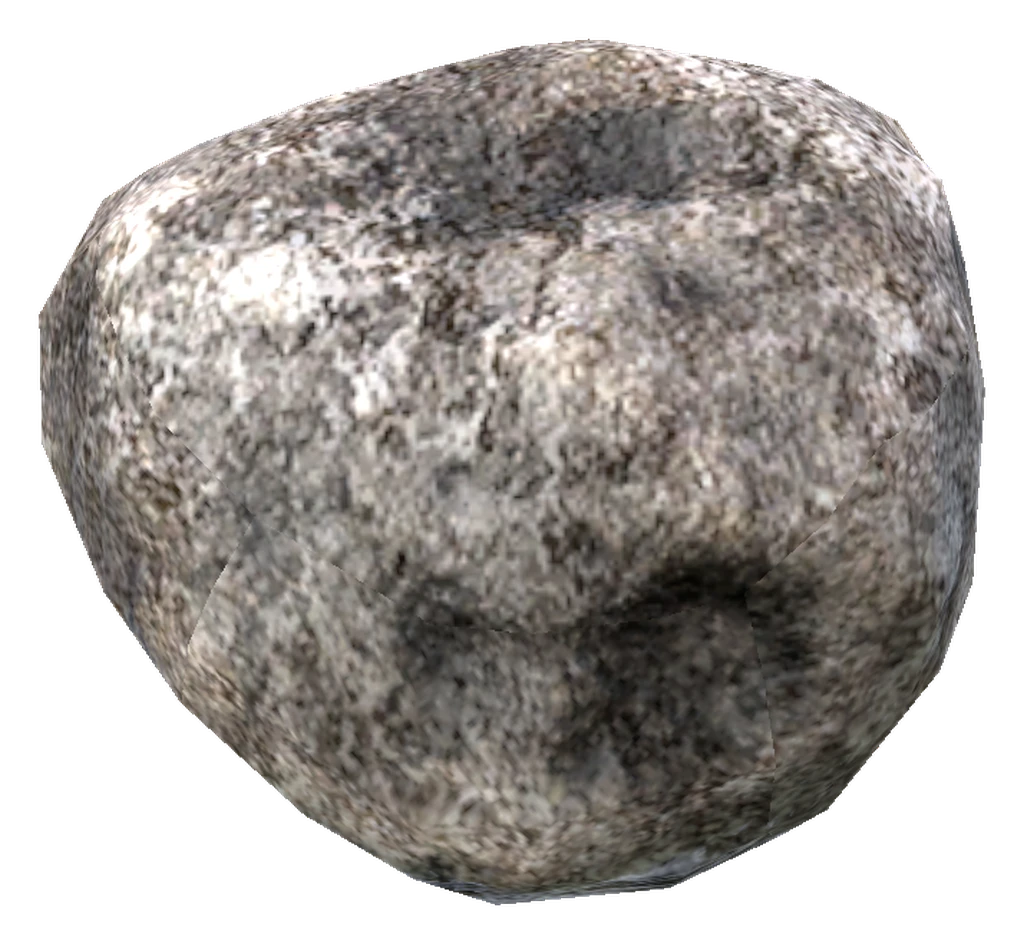 Large StoneStone
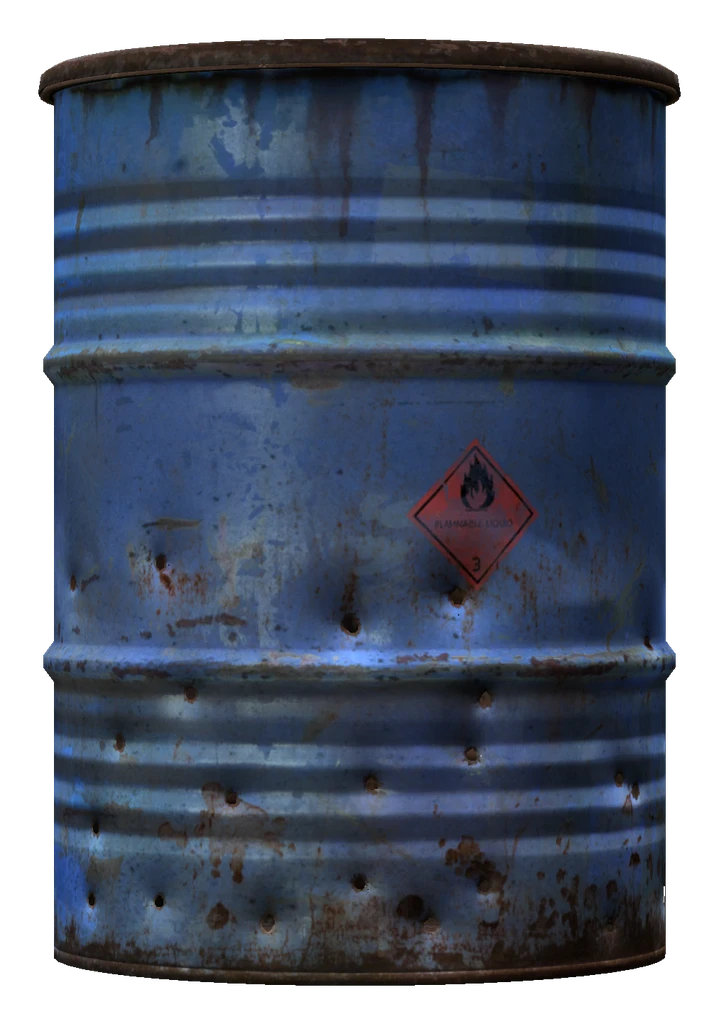 Fire BarrelBarrelHoles_Blue
Stones come from rocks: break them with a pickaxe, a sledgehammer or a pipe wrench.
A roof keeps rain and wind off a normal fireplace too, but you can't light one on a floor inside a building with a ceiling lower than about 5 metres. Inside houses, use the building's own fireplace or oven spot instead: place a fireplace there, or start one with a stick, firewood, bark, paper or a rag.
Fire on ice doesn't last: on Sakhal's frozen lakes and sea a fire goes out within a minute. To put a fire out yourself, pour about half a litre of water on it.
Warmth and drying
You get the full heat within about 2 metres of the fire, fading to nothing at 4 metres. A fire only warms once it is burning properly, and a dying fire stops warming well before it goes out. Wet clothes and items on the ground within a few metres dry faster the closer they are.
A torch gives almost no warmth, and a gas stove none at all. Don't stand in the flames — that hurts quickly.
Cooking
| Equipment | Where it works | What it does |
|---|---|---|
| Sharpened stick | Any burning fireplace except the fire barrel | Roasts one piece of food at a time. The stick wears out slowly. |
| Frying pan | Stone oven, indoor fireplace or oven, fire barrel lid, gas stove | Fries — with or without fat. Not on a plain fireplace. |
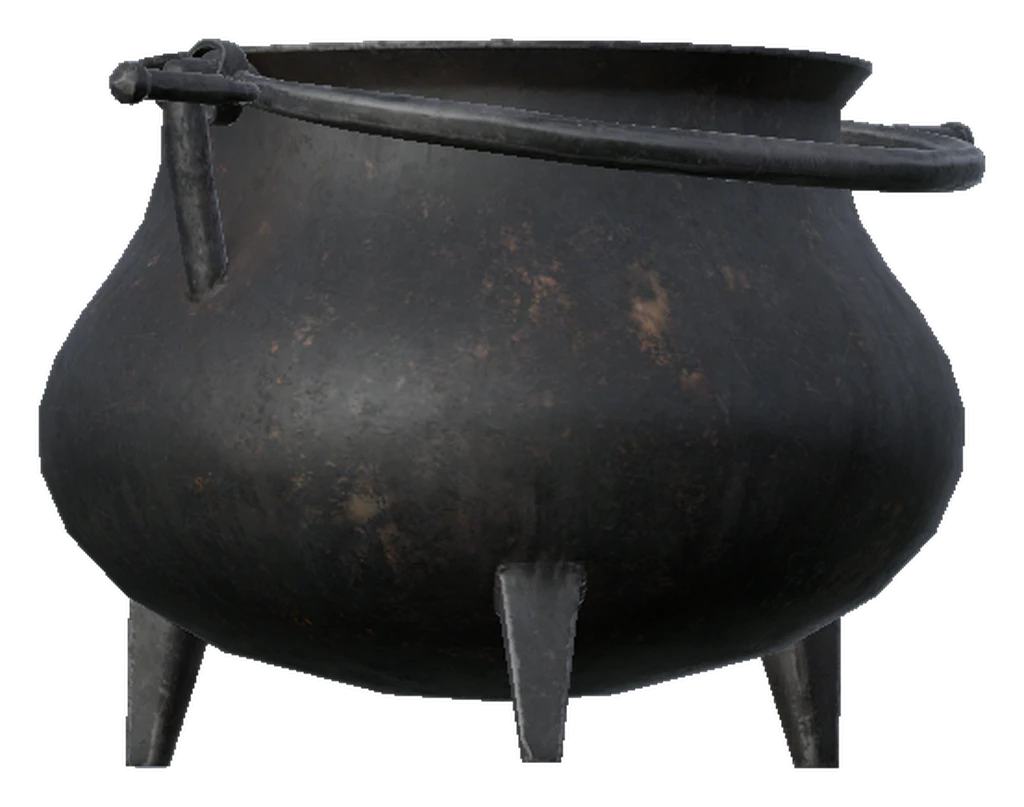
| Cooking pot or cauldron | On a plain fireplace only with a tripod or cooking stand; directly on ovens, indoor fires, the barrel lid and the gas stove | With water it boils food, without water it fries. |
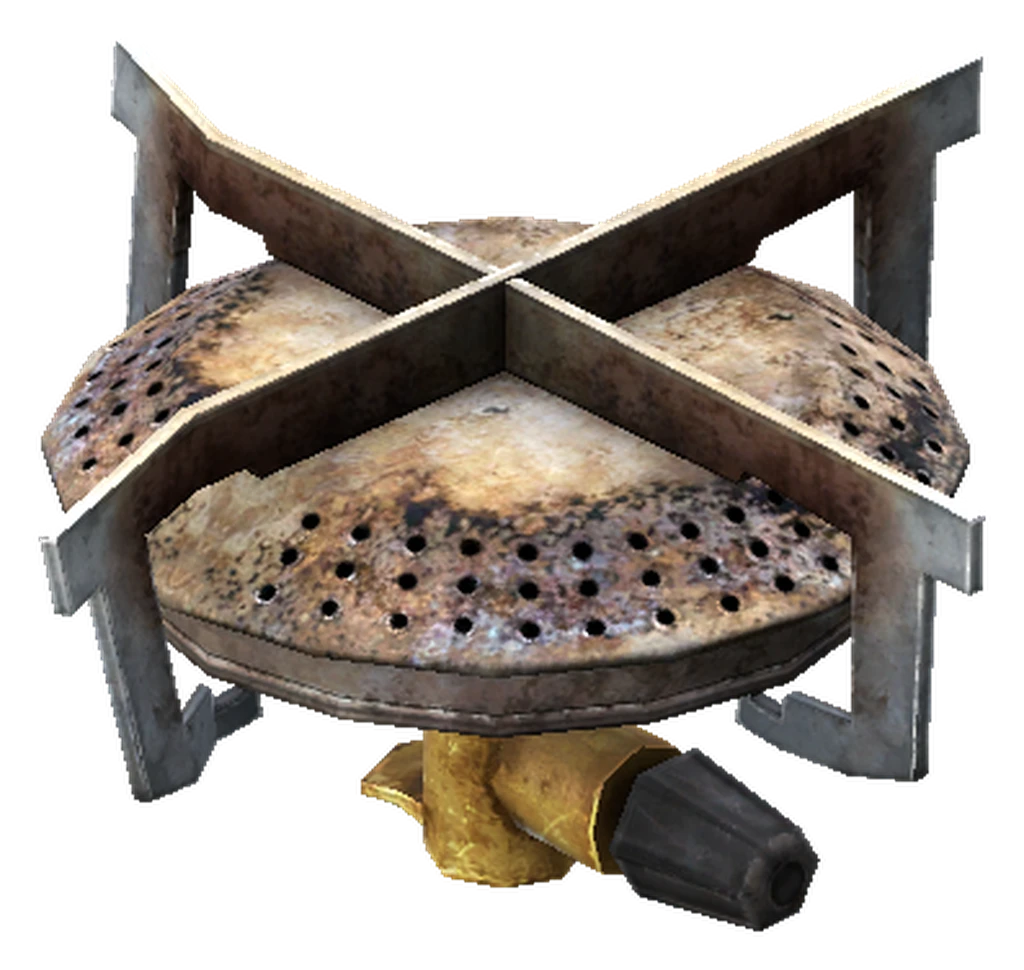
| Gas stove | Anywhere | Takes a pan or a pot. A small canister lasts about 5 minutes, a large one about 13. |
 Sharpened StickSharpWoodenStick
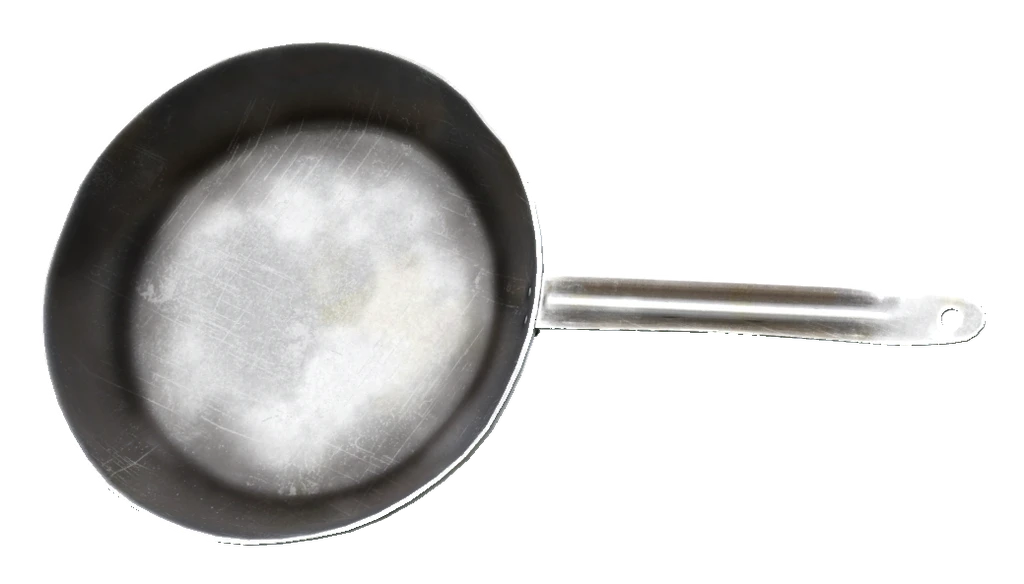 Frying PanFryingPan
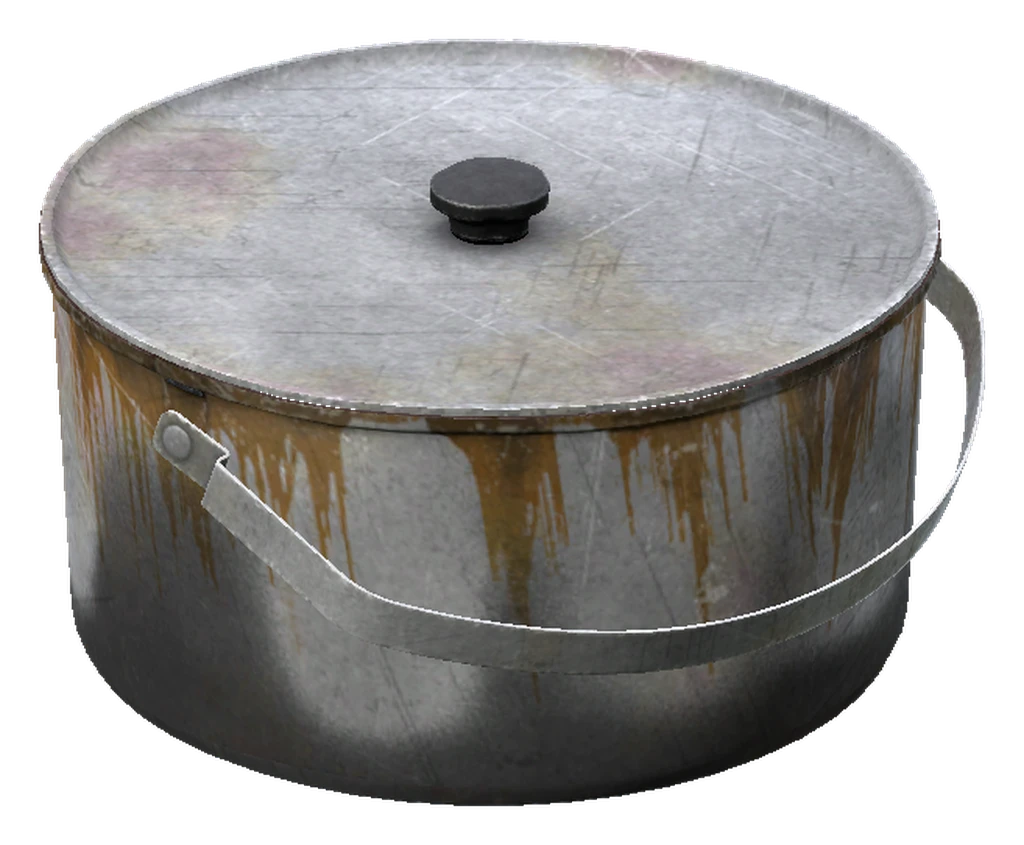 Cooking PotPot
 CauldronCauldron
 Campfire TripodTripod
 Cooking StandCookingStand
 Gas StovePortableGasStove
A cooking stand is crafted from two short sticks and a long or sharpened stick.
Food stages
Food goes from raw to cooked, and from cooked to burned if you leave it on. How fast depends on the method. Once the food is hot enough:
| Method | Meat is done after about | Burned about … later |
|---|---|---|
| On a stick | 45 seconds | 30 seconds |
| Pan or pot without fat, or straight on an oven | 35 seconds | 25 seconds |
| Pan or pot with fat | 70 seconds | 45 seconds |
| Boiled in water | 85 seconds | 45 seconds |
Fruit, vegetables and mushrooms cook a little faster. Each cooking step without fat costs part of the food; with fat in the pan, the fat is used up instead, and boiling costs nothing. Bananas, oranges and kiwis can't be cooked, and whole fish and small animals have to be gutted with a knife first.
Ovens, indoor fireplaces and the fire barrel also have smoking spots: raw meat there dries in about 2 minutes once hot — and burns if you leave it as long again.
| Stage | Safe to eat? | Keeps for about (raw meat / fruit and vegetables) |
|---|---|---|
| Raw | Meat can give you salmonella, raw fish food poisoning | 6 hours / 12 hours |
| Baked, fried or boiled | Yes | 3–4 days / 2–3 days |
| Dried | Yes | 8 days / doesn't rot |
| Burned | Food poisoning | doesn't rot |
| Rotten | Salmonella and food poisoning | — |
Food spoils faster while you carry it. Cooking kills almost everything the meat carries, with two exceptions: wolf and bear meat keep salmonella more often than not, and human meat always carries the brain disease kuru — see Diseases. Let food cool down before eating it — anything hotter than about 70 °C hurts you a little with every bite.
 FatLard
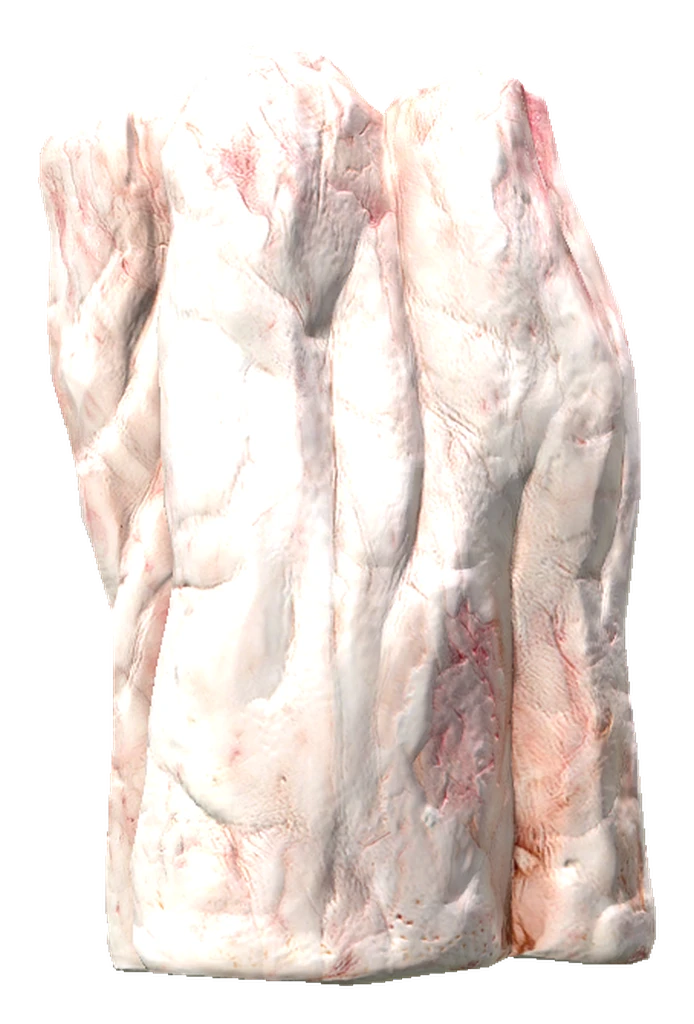
Fat comes from skinning animals — see Animals and hunting.
Boiling water
Bring water to a boil and it is safe from germs: boiling removes cholera and other agents from pond and river water. It does not remove chemical poisoning (heavy metals) — see Food and water. Boiling also evaporates some water.
Cooking PotPot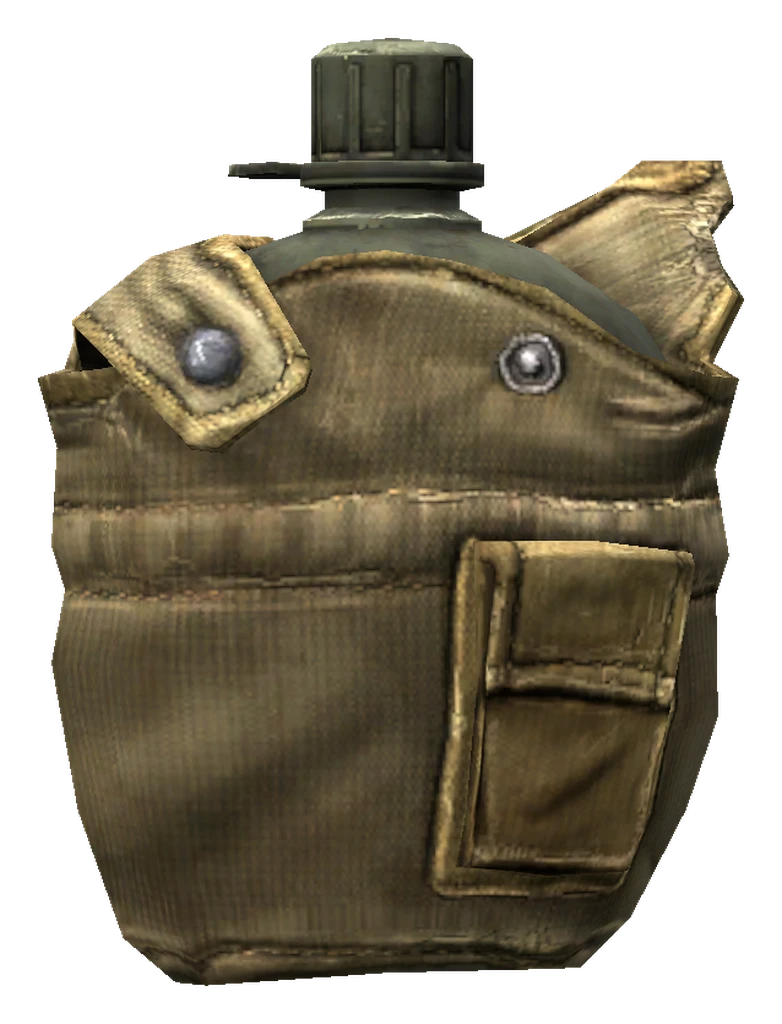 CanteenCanteen
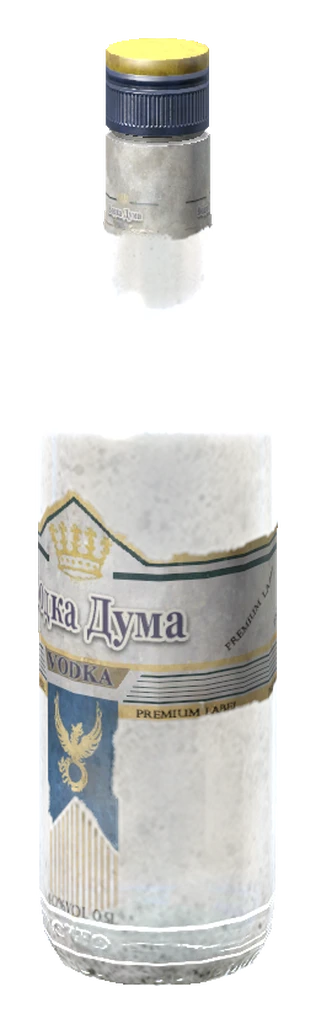 Glass BottleGlassBottle
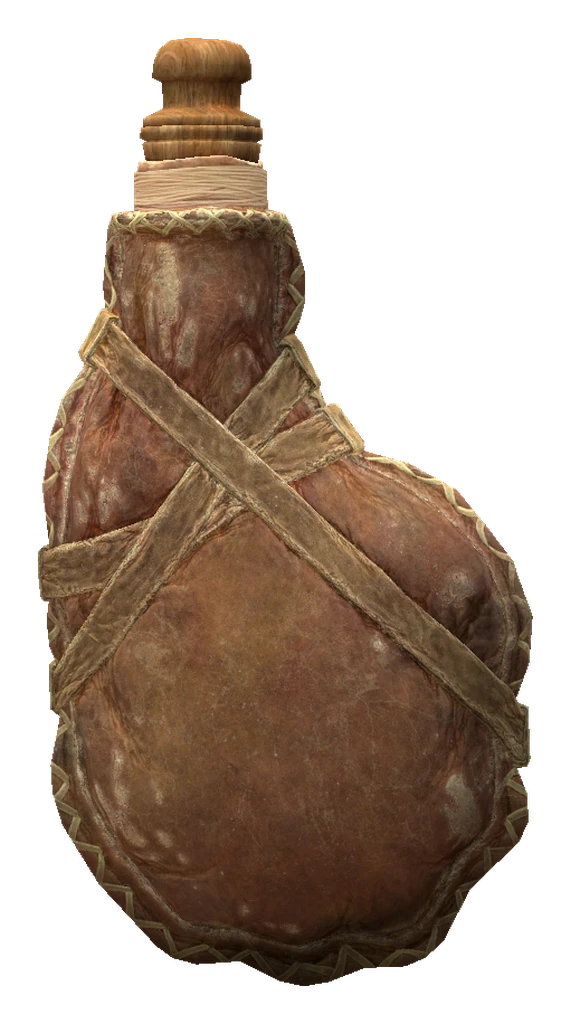 WaterskinWaterskin_Natural
- A cooking pot or cauldron holds 2 litres — on a tripod over a plain fireplace, or directly on an oven, indoor fire or gas stove.
- A canteen, glass bottle or waterskin can go directly into an oven, indoor fireplace or fire barrel.
- Plastic bottles and filtering bottles never get hot enough to boil.