Infected
Which infected exist and where, what makes them notice you, what their hits do, how to lose or kill them, and what they carry.
The infected are the threat you meet most: they turn up wherever you go, every hit can make you bleed, and one that has spotted you draws others in. Knowing how they notice you, and how to deal with one quietly, saves you a lot of bandages.
Types and where they appear
Infected don't wander the whole map. They spawn in fixed areas around a player who comes near — so a town you cleared fills up again later. What spawns depends on the place:
| Where | Infected |
|---|---|
| Towns and cities | Civilians: office workers, joggers, skaters, bikers, journalists |
| Villages and farms | Villagers, farmers, milkmaids |
| Remote spots | Hermits, hikers, hunters, fishermen |
| Industrial areas | Construction, factory and offshore workers, mechanics |
| Hospitals | Doctors, nurses, paramedics, patients |
| Police stations | Police officers, riot police |
| Fire stations | Firefighters |
| Prisons | Prisoners |
| Churches | Priests |
| Military bases | Soldiers, some with helmets and plate carriers |
| Contaminated zones | Infected in NBC suits — immune to the gas, which hurts all others |
Each map adds its own: soldiers in desert camouflage on Chernarus, convoy officers on Livonia, heavily armoured navy soldiers and scientists in NBC suits on Sakhal, and local civilians and ION soldiers on Nasdara.
| Kind | Health | Note |
|---|---|---|
| Most infected | 100 | |
| Weaker civilians in some towns and villages | 85 | |
| Joggers | 50 | Fast, restless, never call others |
| Soldiers | 115 | Hit harder and stay alert longer |
| Heavily armoured soldiers | 115 | Helmet and plate carrier take most of the damage where they cover; they can't sprint |
How many infected a server spawns is a server setting — the server overview on the wiki's start page shows whether yours has more or fewer than vanilla.
What makes them notice you
An infected goes from calm to disturbed to alerted, and then chases you. Being seen pushes it there far faster than being heard, and any hit alerts it at once.
Sight
- In daylight they see up to about 40 metres ahead, and to the sides up to about 20 metres.
- At night they see only about a third as far (soldiers half as far), in rain about 60 %, in fog about half.
- How you move counts: standing still, you are seen from about twice as far as crouching still, and about four times as far as lying still. Running upright is the most visible of all.
The game has no rule that makes infected react to a flashlight or a head torch — it's darkness that shortens their sight.
Hearing
- They hear ordinary noise up to about 35 metres and gunshots up to about 110 metres; some medics hear shots from about 175 metres.
- Footsteps are loudest standing, much quieter crouched or prone. Boots are louder than sneakers, gravel and metal louder than grass.
- Voice chat makes noise too: talking is louder than sprinting, shouting louder still.
- Opening or closing doors and gates makes a little noise. A fire is heard only at night.
- Rain, wind, fog and the sea cover up noise.
An alerted infected makes noise of its own every few seconds, and that can wake up the others nearby — priests are loudest, joggers stay silent. That's why one infected so often becomes five. More on noise in Staying hidden.
What their hits do
| Infected | Damage per hit | Bleeding per hit on bare skin |
|---|---|---|
| Most infected | light | about 1 in 9 |
| Police | a bit more | about 1 in 7 |
| Soldiers | most | about 1 in 6 |
- They aim at your body, arms and legs, never your head.
- A single hit can't knock you out, but several infected hitting you in quick succession can.
- A hit doesn't knock you down, but it does interrupt whatever you are doing — bandaging, eating, drinking.
- Clothing lowers the chance of bleeding. A plate carrier, a stab vest, a ballistic vest and some helmets stop bleeding from infected hits completely where they cover you.
- What you wear takes damage with every hit and wears out over time.
- Enough hits to a leg can break it.
- Wounds can get infected later — when a cut closes on its own or you bandage it with something dirty. See Injuries.
- Infected don't attack you while you sit in a vehicle.
Facing them with fists or a melee weapon raised in a block stops a hit completely.
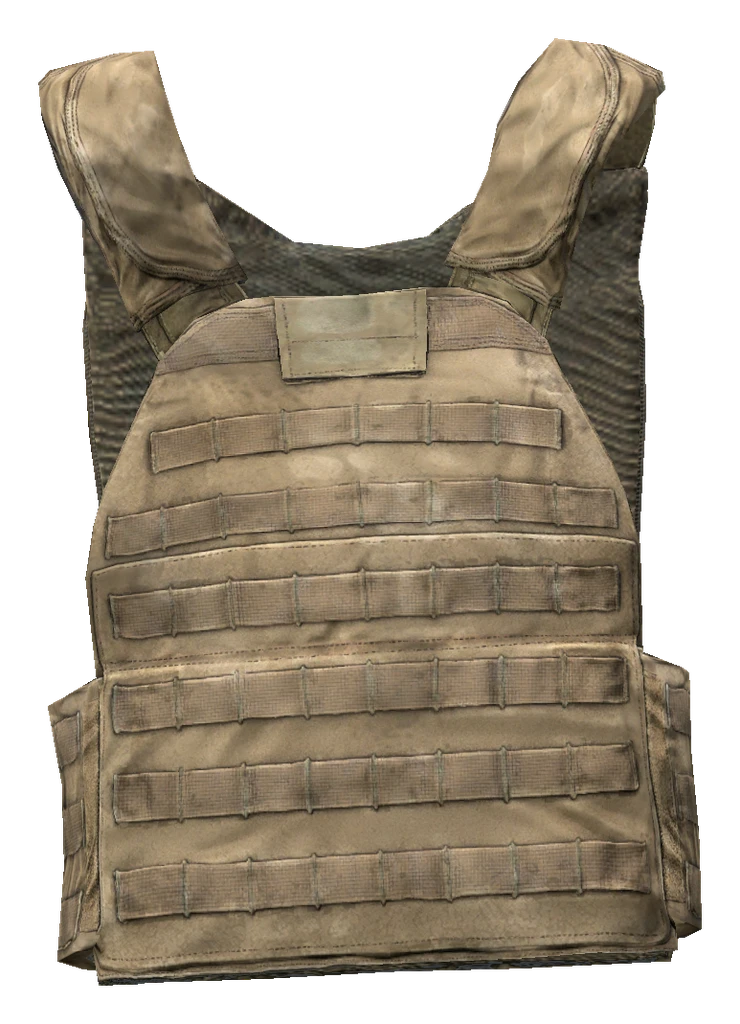 Plate CarrierPlateCarrierVest
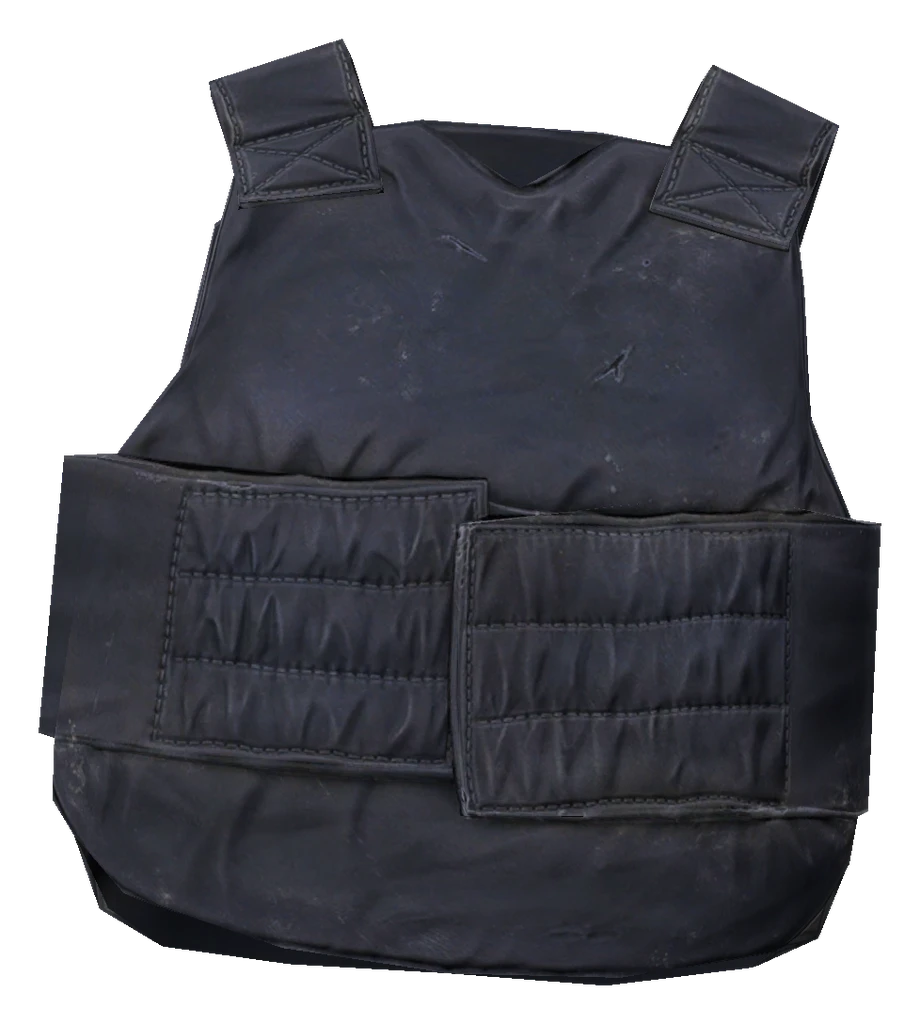 Stab VestPoliceVest
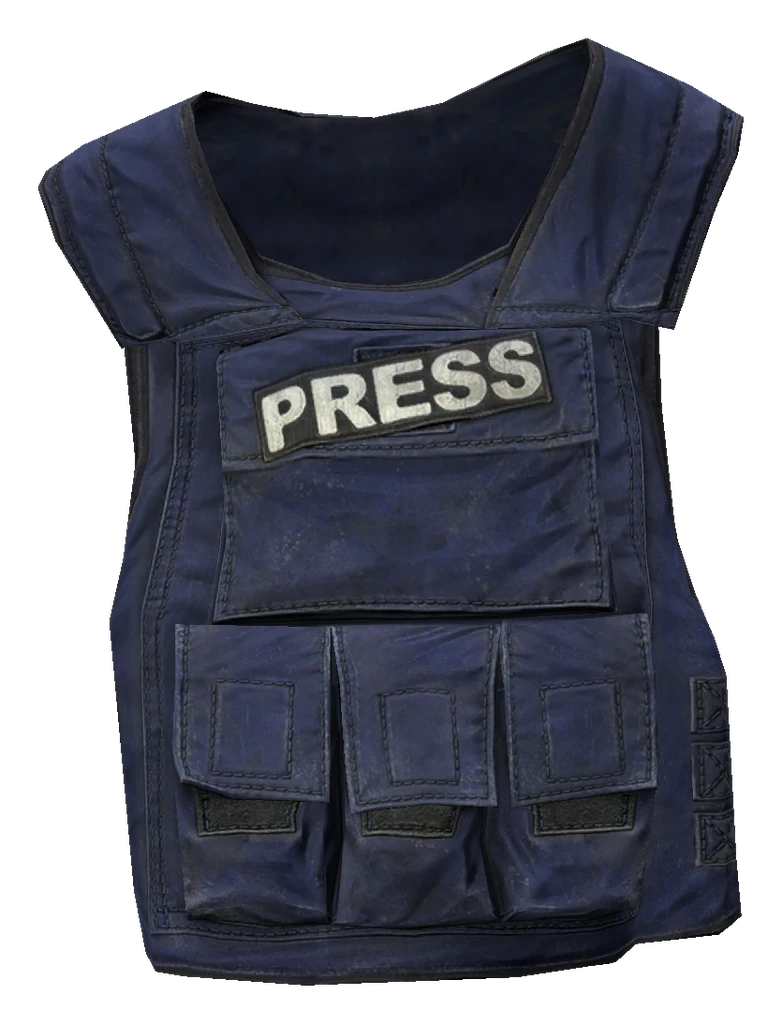 Ballistic VestPressVest_Blue
Losing them
- Break line of sight. Once they can't see you, they have to find you by sound — move away crouched and quietly. They search the spot where they last noticed you for a short while, then calm down.
- Use the terrain. Calm infected only walk and use doorways; alerted ones can also jump and climb, but they don't follow you through low gaps you can only crouch or crawl through, and they don't swim.
- Heavily armoured soldiers can't sprint. All others can, and you won't simply outrun one in the open.
- Don't rely on a closed door — the game files don't settle whether it stops them.
Often the quickest way to lose one is to deal with it.
Killing them
- Sneak up from behind on an infected that is still calm and stab it with a knife, machete, sickle, cleaver or a bayonet — that kills it instantly. Once it is disturbed, this no longer works.
- With guns, aim for the head: it has only about a third of the body's health and takes extra bullet damage. But every shot carries far and draws more.
- With melee weapons, the body is a fine target — melee hits to the head do less than to the body.
- A calm or disturbed infected staggers with every hit. Destroy a leg and it crawls — crawlers still attack.
- Helmets and plate carriers on soldiers absorb most of the damage they cover — aim where they are unprotected.
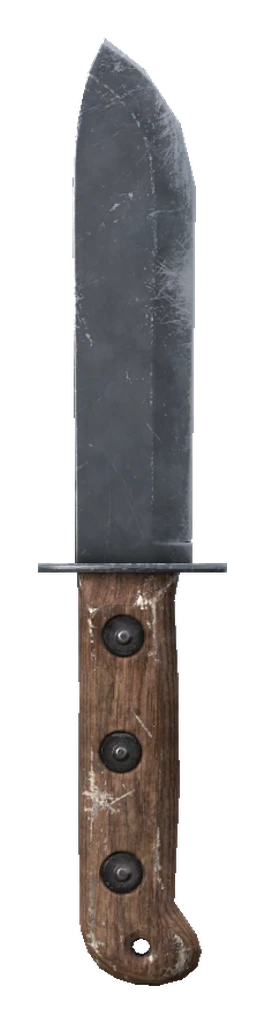 Hunting KnifeHuntingKnife
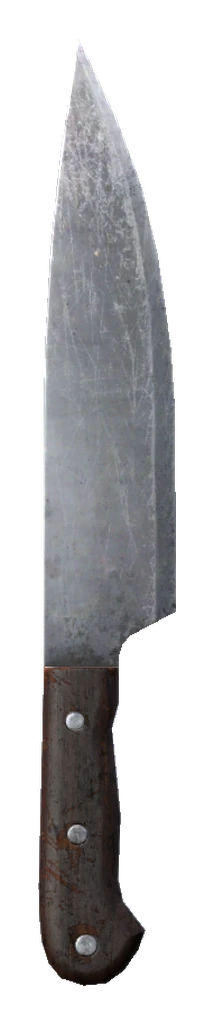 Kitchen KnifeKitchenKnife
 MacheteMachete
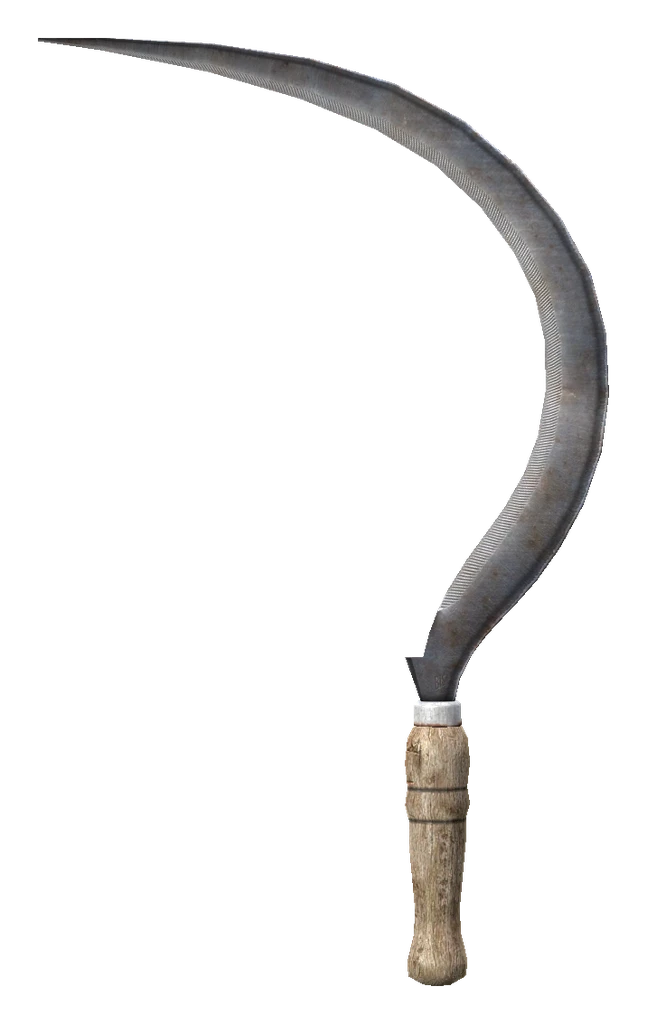 SickleSickle
What they carry
Most infected carry nothing. Some have a few items in their pockets, depending on their type:
| Infected | May carry |
|---|---|
| Soldiers | Army food and canteens, loose rifle and pistol rounds, hats, vests, now and then a bag |
| Heavily armoured soldiers | A plate carrier and a combat helmet — usually badly worn |
| Police | Road flares, a flashlight, a radio, batteries, a combat knife, morphine, bandages, loose pistol and rifle rounds, now and then a magazine |
| Doctors, nurses, paramedics | Bandages, blood collection kits, charcoal tablets, codeine, tetracycline, chlorine tablets, vitamins |
| Industrial workers | 9V batteries, flashlights, rope, duct tape, a pipe, a hatchet, a crowbar |
| Hunters | Matches, a hunting or stone knife, a hatchet, a gun cleaning kit |
| Firefighters | Always the firefighter helmet |
| NBC infected | Gas mask filters, rarely a PO-X antidote |
| Prisoners | Rope, a prisoner cap |
Some infected also wear a head torch — switched on, with a battery inside.
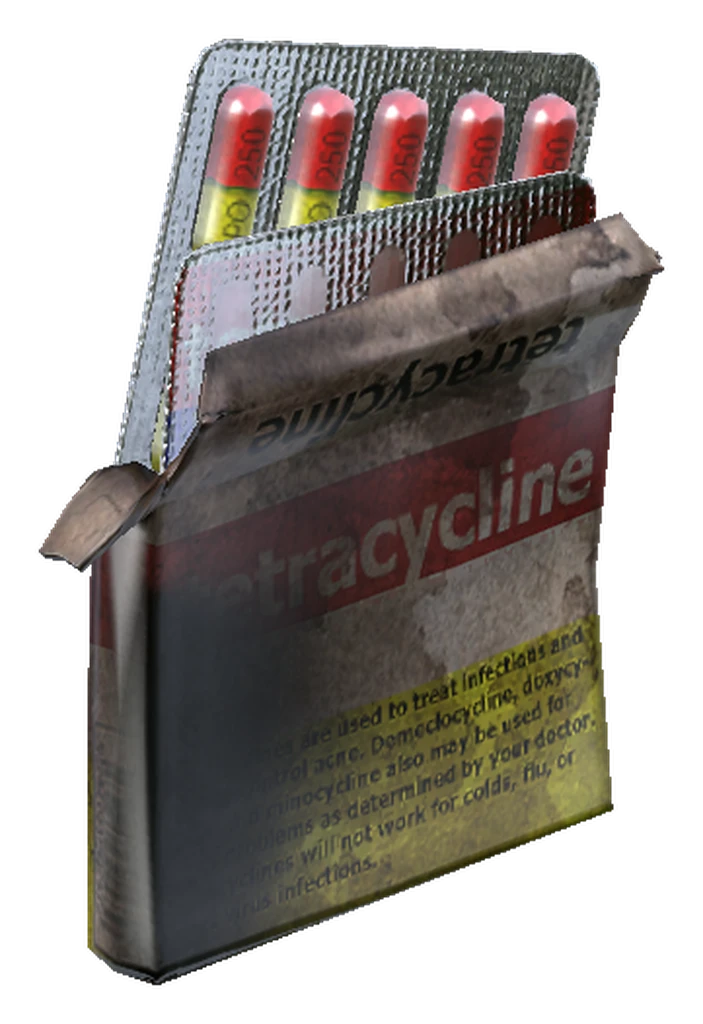 Tetracycline PillsTetracyclineAntibiotics
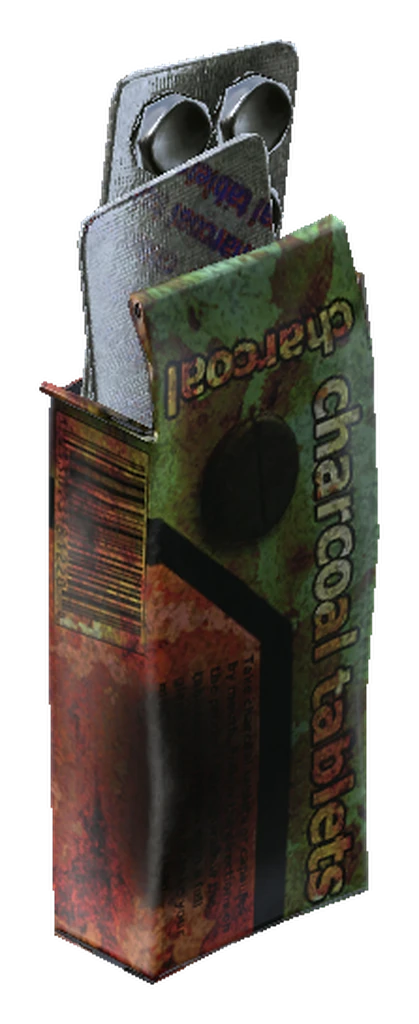 Charcoal TabletsCharcoalTablets
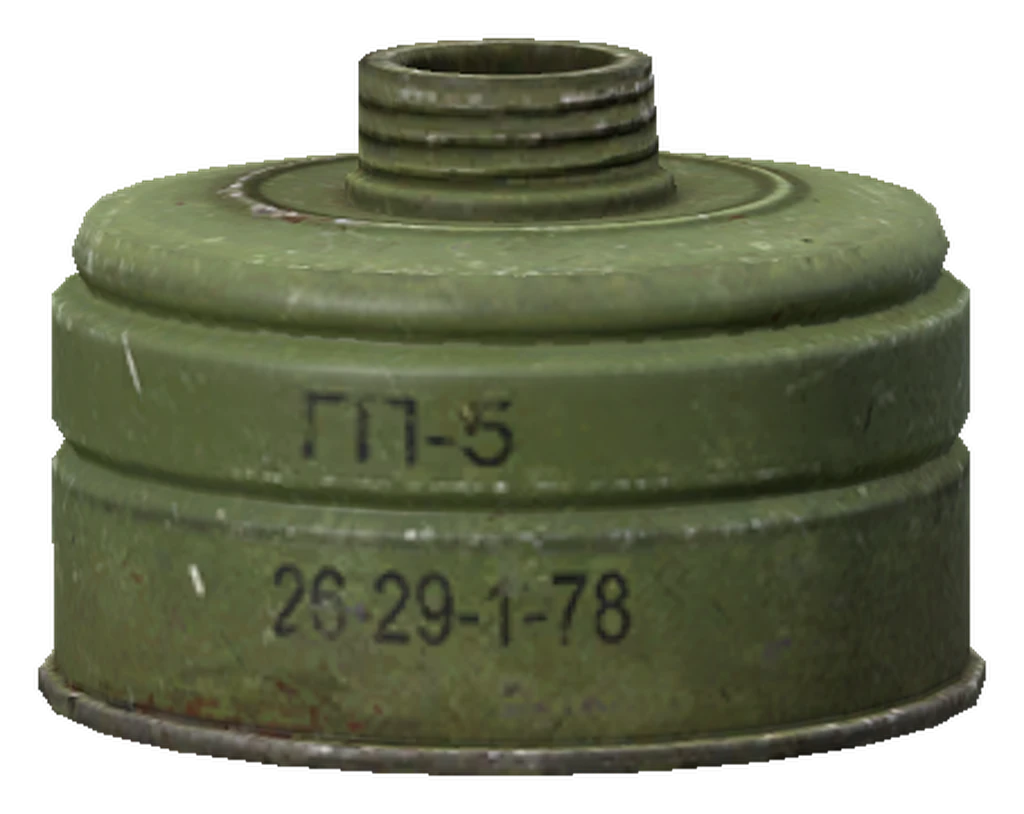 Gas Mask FilterGasMask_Filter
 PO-X AntidoteAntiChemInjector