Your first hour
What a fresh spawn starts with and what to get first — water, food, a blade, rags, clothes and a bag — before you head inland.
A fresh character starts with worn clothes, a bandage and a light, and only a small reserve of food and water. The first hour decides whether you settle in or starve on the beach: drink, eat, find a blade, make rags, get a bag — then move on.
What you start with
In vanilla every new character gets a T-shirt, crop hiking pants and athletic shoes in a random colour — shirt and trousers already worn, at roughly half their condition (Nasdara has its own clothes). What comes on top depends on the map:
| Map | Starting items |
|---|---|
| Chernarus | Bandage, glow stick, one apple, pear or plum |
| Livonia | Bandage, glow stick |
| Sakhal | Bandage, glow stick, a damaged steak knife; clothes in worse condition |
| Nasdara | Local clothes and sandals, bandage, glow stick, a can of soda, figs |
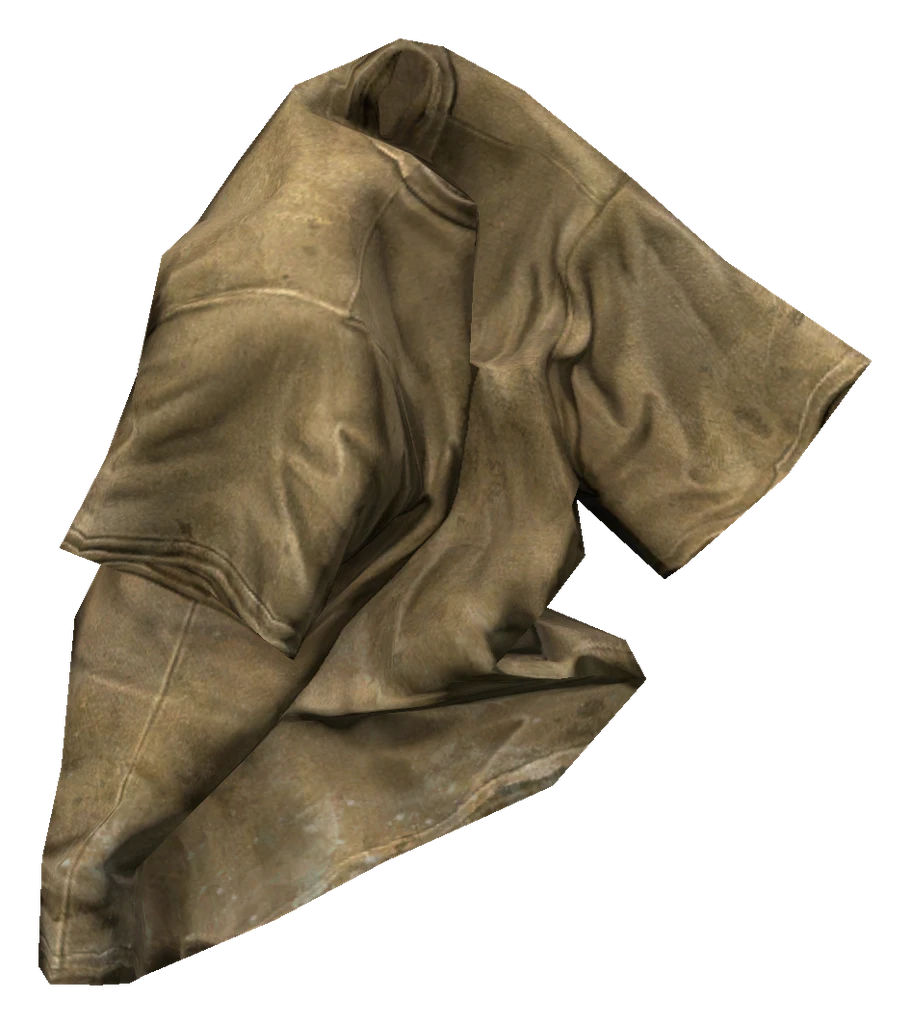 T-ShirtTShirt_Beige
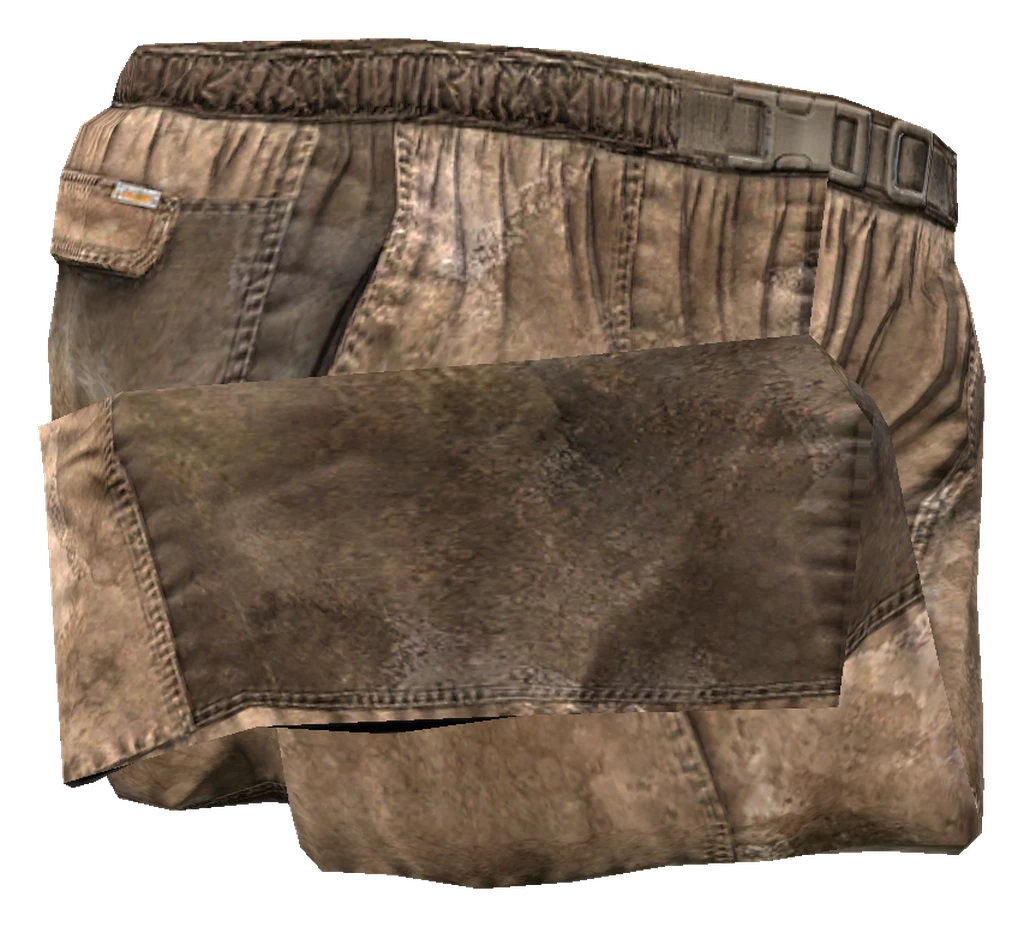 Crop Hiking PantsCanvasPantsMidi_Beige
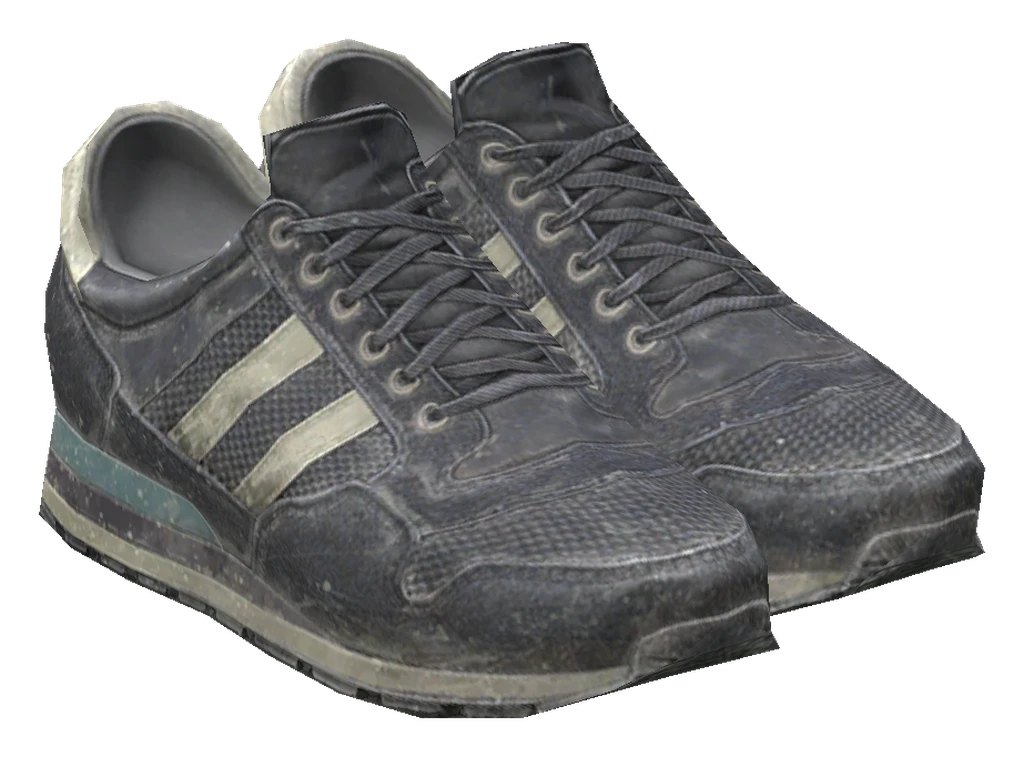 Athletic ShoesAthleticShoes_Black
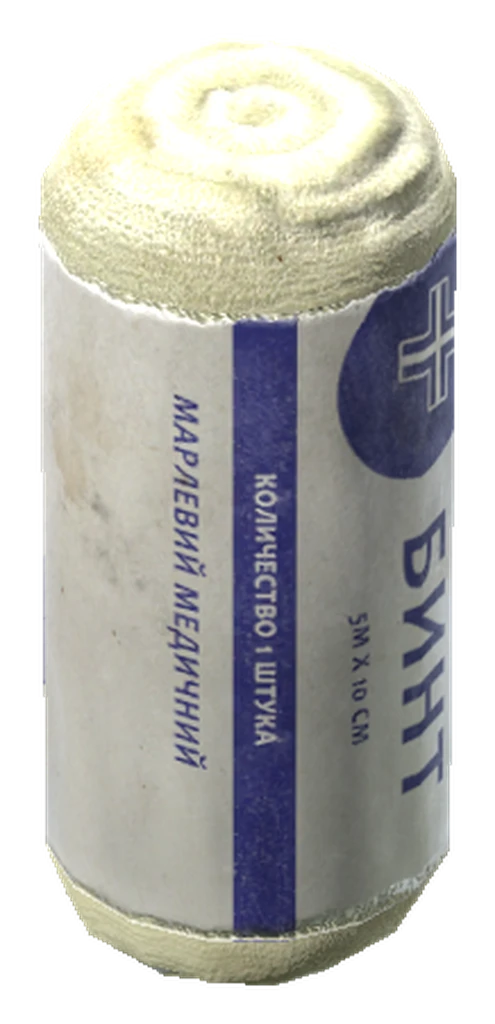 BandageBandageDressing
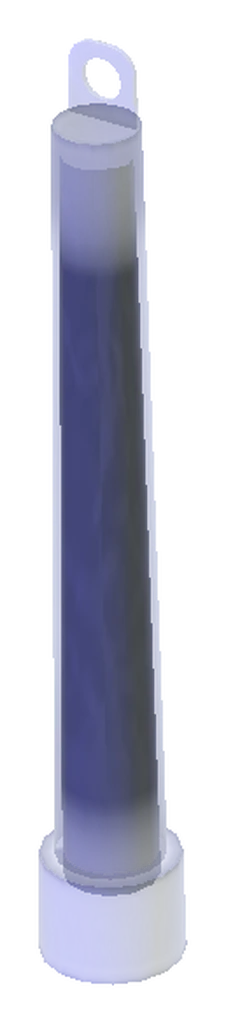 Glow StickChemlight_Blue
The bandage is good for four wounds. On Sakhal you also cannot catch the flu for your first 15 minutes. Many servers hand out their own starter kit instead, so what you find in your pockets may differ.
Your reserves are low at spawn. On Chernarus and Livonia, jogging, it takes about a quarter of an hour until your character gets hungry and thirsty; Sakhal and Nasdara start you a bit fuller. From then on hunger and thirst slowly cost health. Sprinting burns roughly twice as much as jogging, walking about a third. Being cold burns extra energy, overheating extra water. How the status indicators read is in health and status.
Water and food first
Water is usually the quickest fix.
- A water pump or well gives clean water.
- Ponds, lakes and rivers carry a risk of cholera with every drink — fine in an emergency, but see diseases.
- Wash bloody hands before you eat or drink. Eating with bloody hands and no gloves can give you food poisoning or salmonella.
- Take something to carry water in: a Plastic Bottle turns up in many places, a Canteen mostly at military sites.
For food, search houses: tinned food is the classic early meal. A tin needs something to open it — a Can Opener, a knife or one of many other tools. Only the can opener wastes nothing: a knife spills about 10–20 % of the contents, a stone knife up to 30 %, a screwdriver, wrench or hatchet 20–40 %, a crowbar up to half. Fruit, mushrooms, cooking and what keeps you full the longest are in food and water and fire and cooking.
A blade
Almost everything early needs something sharp: cutting rags, opening tins, cutting burlap. Kitchens are the place to start — a Kitchen Knife in towns, a Steak Knife in villages, cleavers in both. Farms and sheds have sickles, saws and hatchets, and a Screwdriver or Crowbar cuts rags too.
The stone knife
If you find nothing better, make a Stone Knife from a Small Stone:
- Small stones turn up lying on the ground in the open.
- With a wrench, screwdriver, crowbar, meat tenderizer or ice axe you can chip small stones off a big rock. A hammer, pickaxe or sledgehammer breaks off a Large Stone instead, which the same tool splits into three small stones.
- Sharpen the small stone against a big rock, or combine it with a second small stone or a large stone. The small stone becomes the knife.
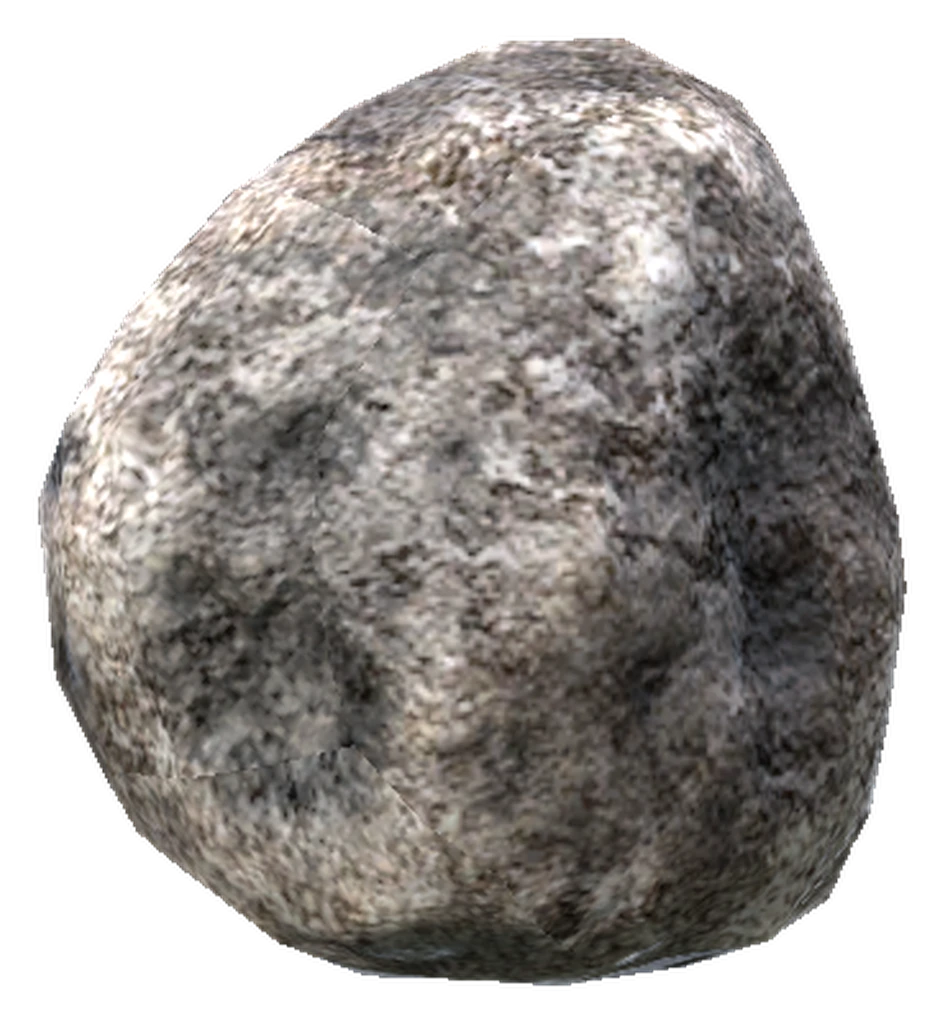 Small StoneSmallStone
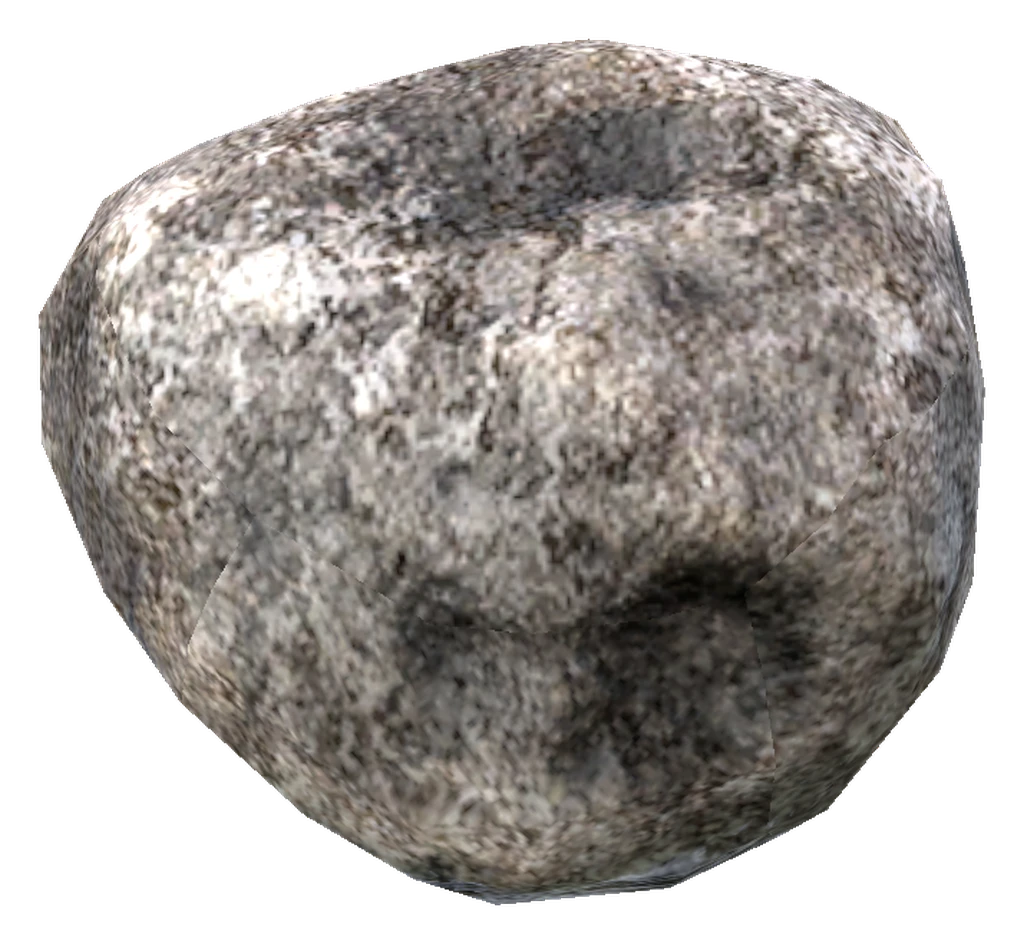 Large StoneStone
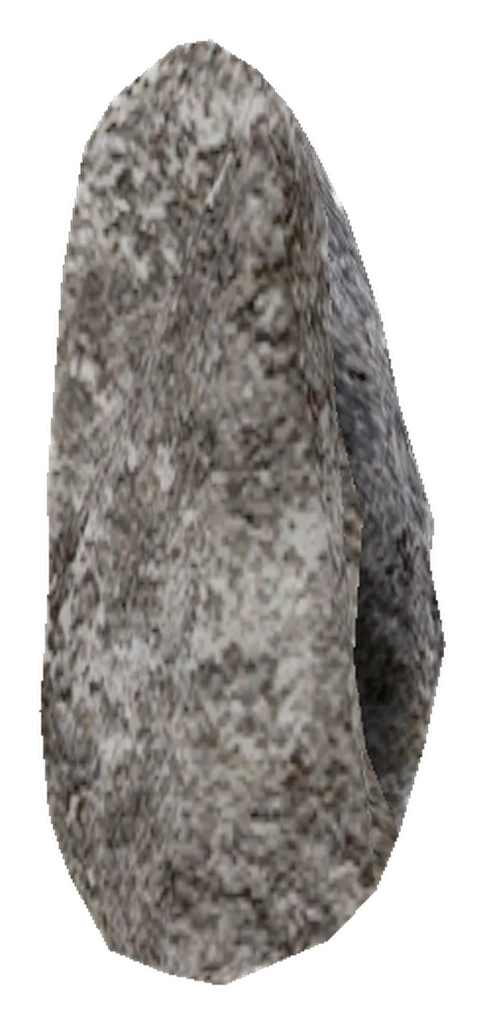 Stone KnifeStoneKnife
A stone knife is fragile. It is a stopgap for rags and tins until you find a real knife — more recipes are in crafting.
Rags
Rags are the first thing you craft. Cut up a piece of clothing with your blade: the garment is used up, anything in its pockets drops to the ground, and you get rags — two from your starting T-shirt, three from the trousers, more from bigger garments. It must not be ruined. Cut up spare clothes you find, not the jacket that keeps you warm.
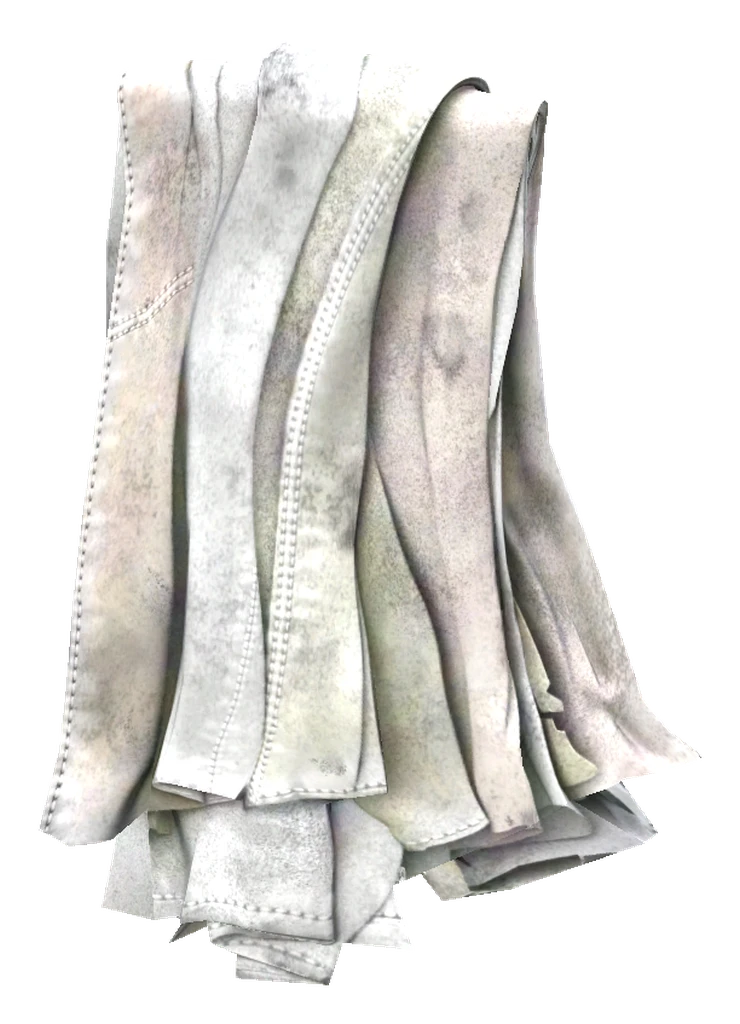 RagRag
What rags are good for:
- Stopping bleeding — a rag closes a wound just like a bandage, one per bleeding wound. A fresh bandage is sterile and does not infect the wound until it gets damaged; a rag that has not been disinfected infects it about one time in seven. See injuries.
- A torch, with a stick, and tinder for your first fire (fire and cooking).
- Rope: two stacks of six rags make one Rope.
Clothes and a bag
Your starting clothes are thin, worn and have few pockets — 9 slots in the T-shirt, 12 in the trousers. Swap them for a jacket and trousers with more room and better protection as soon as you can, and keep them dry — wet clothes chill you. How clothing keeps you warm is in temperature and clothing.
Then a bag. Early finds are the School Backpack in towns and schools, the Sling Bag in towns, and the Army Pouch and Hunter Backpack at hunting spots. Larger hiking backpacks belong to the higher loot tiers. All of them are in the backpack list.
You can also make one:
- A Burlap Sack and a Rope make a Burlap Courier Bag (30 slots).
- The empty courier bag and three short sticks make a Burlap Backpack (35 slots) — more than most bags you will find in your first hour.
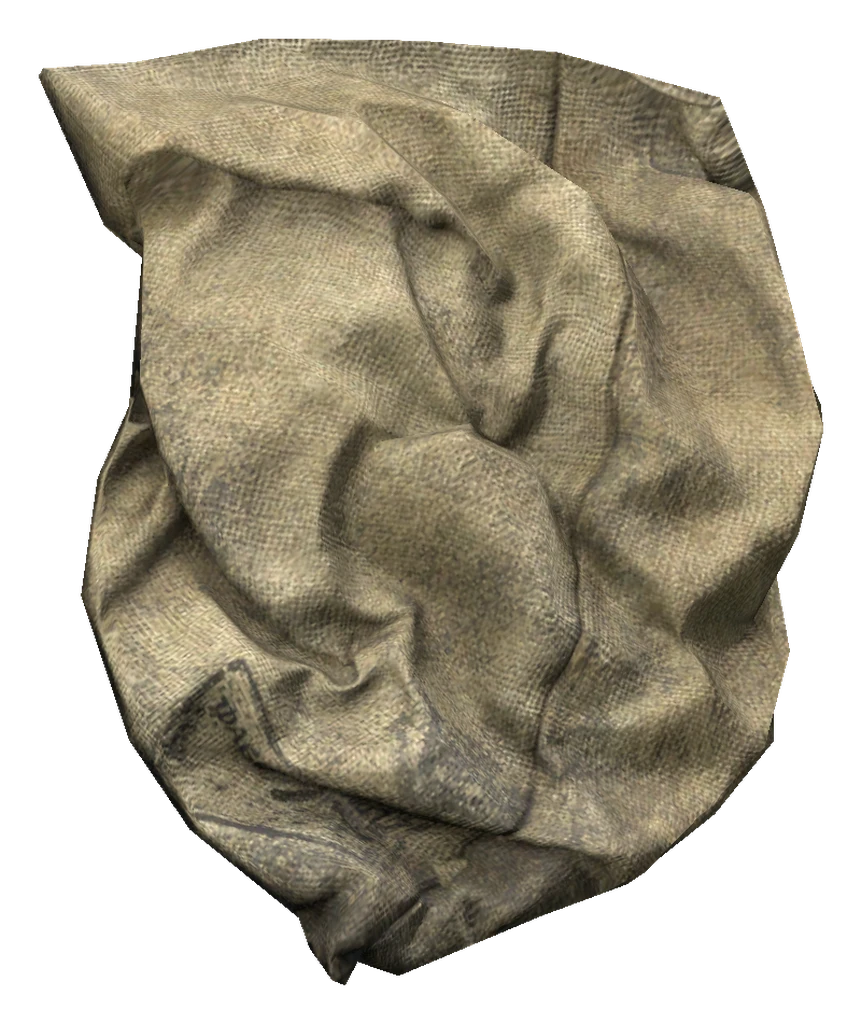 Burlap SackBurlapSack
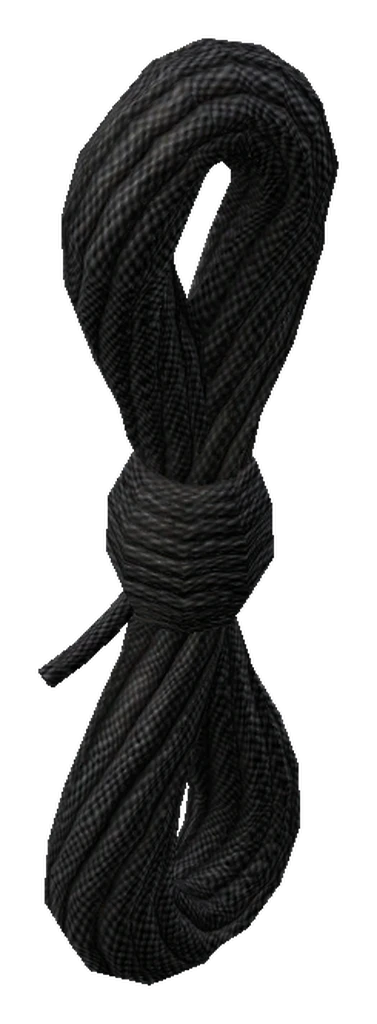 RopeRope
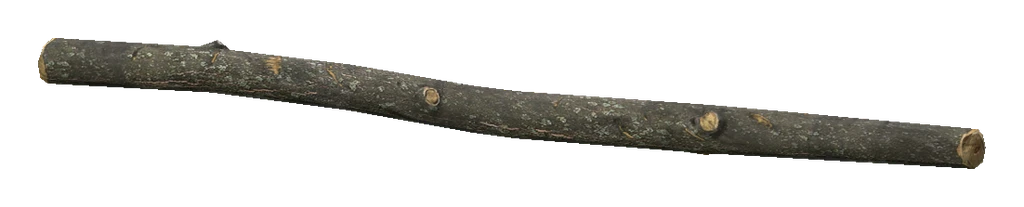 Short StickWoodenStick
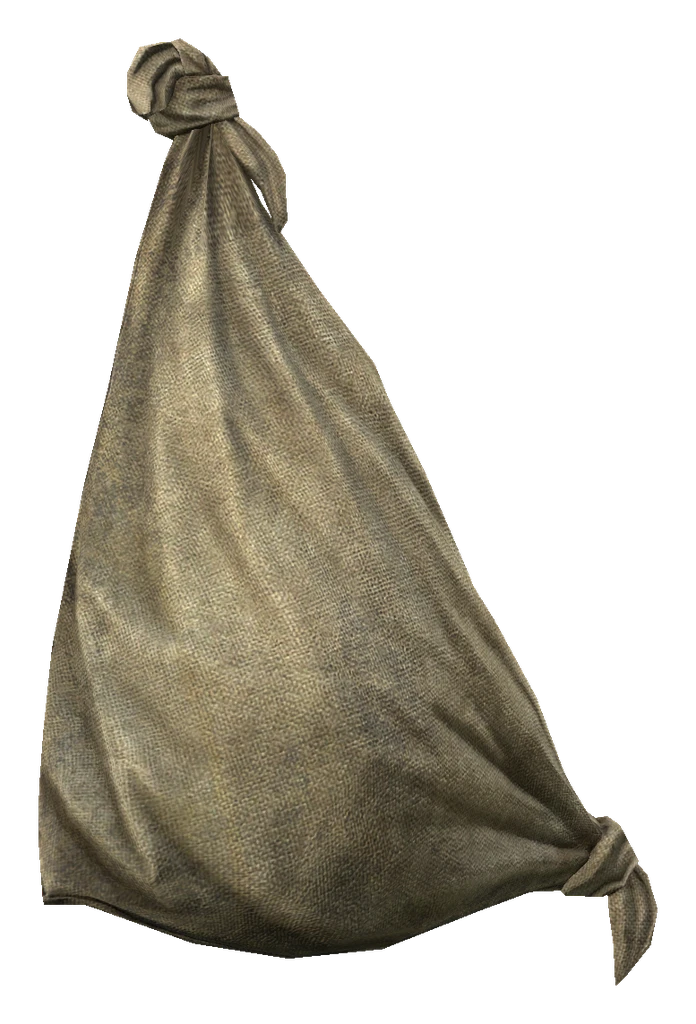 Burlap Courier BagCourierBag
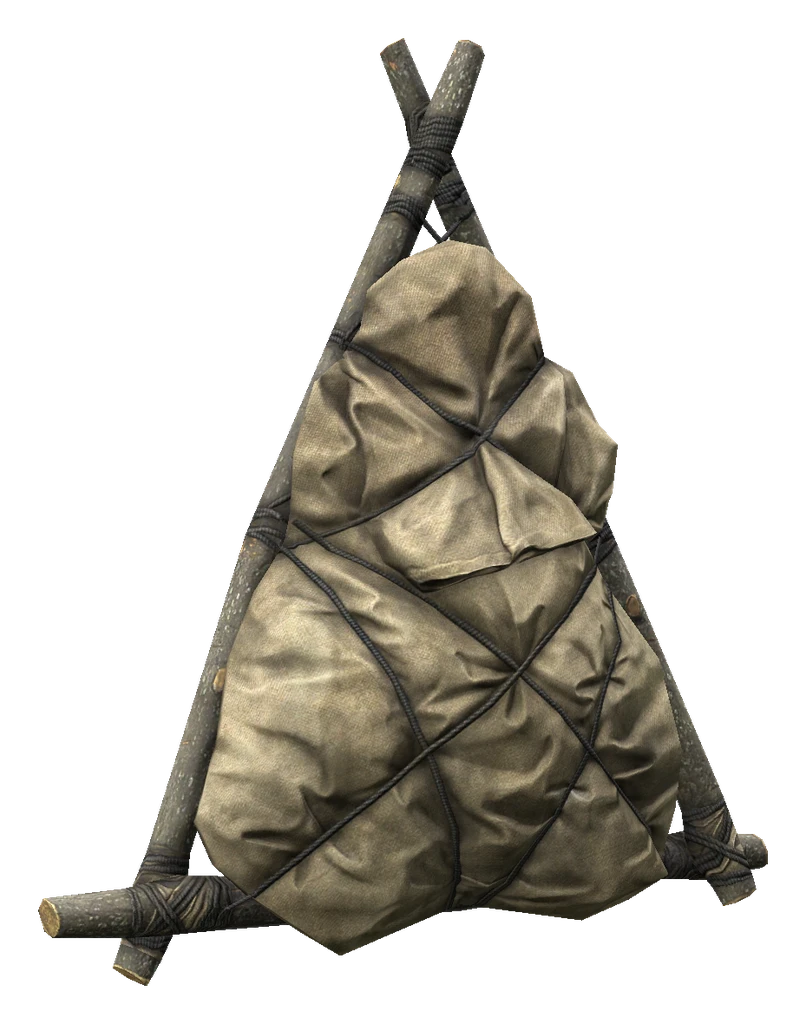 Burlap BackpackImprovisedBag
Burlap sacks and rope come from farms and industrial buildings. For the sticks, break a long stick off a bush and snap it into three.
Which buildings give what
Every building in DayZ is tied to one or more loot types. A rough guide:
| Where | What you find there |
|---|---|
| Houses and flats (Village, Town) | Tinned food, kitchen and steak knives, can openers, matches, clothes, disinfectant, vitamins |
| Barns, sheds, greenhouses (Farm) | Hatchets, saws, sickles, screwdrivers, wrenches, rope, burlap sacks, seeds |
| Garages, workshops, factories (Industrial) | Rope, burlap sacks, crowbars, screwdrivers, saws, duct tape, car parts |
| Clinics and hospitals (Medic) | Bandages, antibiotics, charcoal and chlorine tablets, disinfectant |
| Deer stands and hunting cabins (Hunting) | Hunting knives, matches, compasses, maps, chlorine tablets, hunting backpacks |
| Shops, schools, offices (School, Office) | Food and clothes |
| Boathouses and wrecks on the shore (Coast) | Fishing gear, dry bags |
| Police stations and military sites (Police, Military) | Weapons, military clothing — mostly in the higher loot tiers |
Infected roam towns and villages. Early on, avoid fights you do not need — how they notice you and how to deal with them is in infected.
Why to move inland
In vanilla, every fresh spawn point lies in the lowest or second-lowest loot tier — on Chernarus all of them along the coast. Everyone who spawns there loots the same coastal buildings, so they are often picked over. Better gear sits further inland: military weapons and the larger backpacks are mostly set to the higher tiers. How tiers work and where they lie is in loot tiers.
The catch: most loot food is set to the lower tiers, so the deeper inland you go, the less food you find in buildings. Leave once you are stable:
- a full water container and some food,
- a blade,
- rags or a bandage,
- a bag,
- dry clothes and a way to make fire.
Inland, food comes from hunting, fishing and cooking more than from shelves. To find your way there, see navigation.